Why How Proper Maintenance Extends Heat Pump Lifespan Matters for Des Moines Homeowners
How proper maintenance extends heat pump lifespan comes down to one simple idea: a system that isn’t overworked lasts much longer. Most heat pumps are built to run for 10 to 15 years. But without regular care, many fail years before that — leaving homeowners facing unexpected repair bills or costly early replacements.
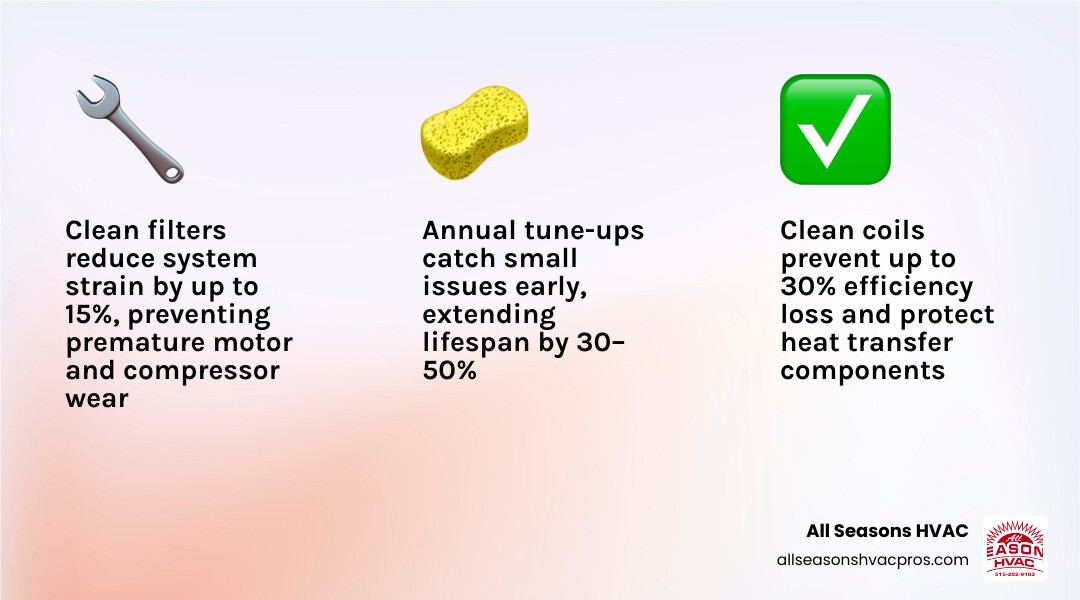
Here’s a quick summary of how maintenance adds years to your system:
- Clean filters reduce system strain by up to 15%, preventing premature wear on the motor and compressor
- Clean coils prevent up to 30% efficiency loss and protect heat transfer components
- Annual professional tune-ups catch small issues before they become expensive failures
- Keeping the outdoor unit clear ensures proper airflow and prevents overheating
- Consistent thermostat settings reduce unnecessary cycling that wears down parts faster
The payoff is real. Well-maintained heat pumps can last 30–50% longer than neglected ones, and regular upkeep can cut energy costs by 10–30% compared to systems that go without care.
In Central Iowa, heat pumps work hard year-round — handling both cold winters and humid summers. That kind of dual-season demand makes maintenance even more important here than in milder climates. A small investment in routine care can add 5 to 7 years to your system’s life and save you hundreds of dollars annually in energy costs.
The sections below walk you through exactly what to do, how often to do it, and when to call a professional.
Understanding Heat Pump Longevity in Central Iowa
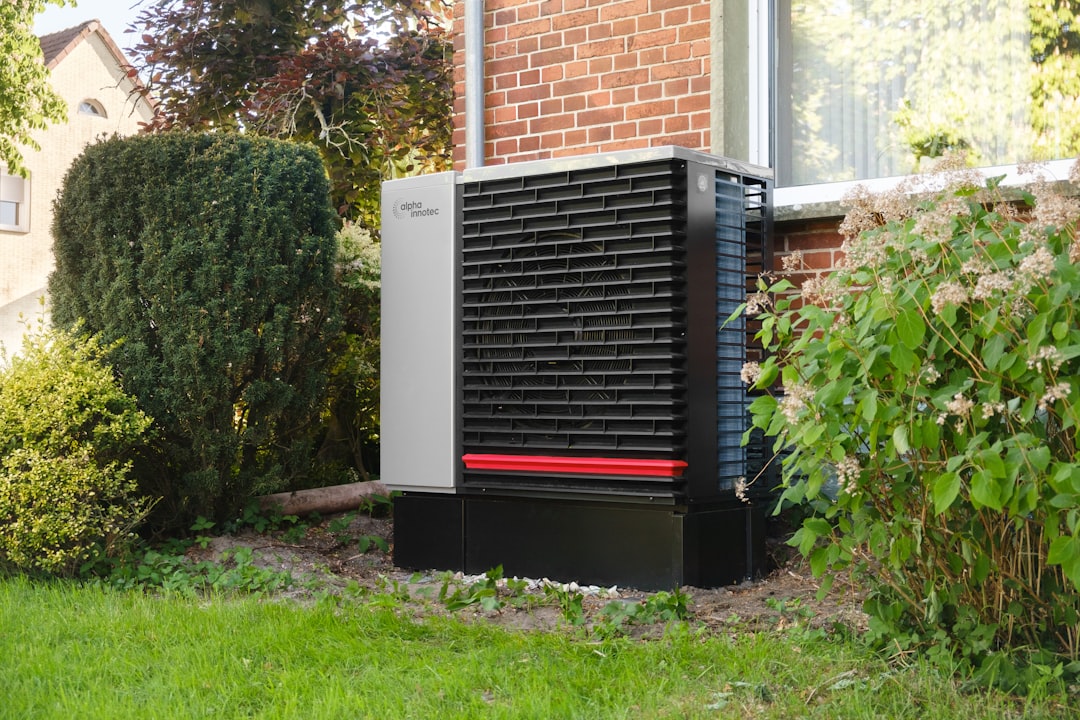
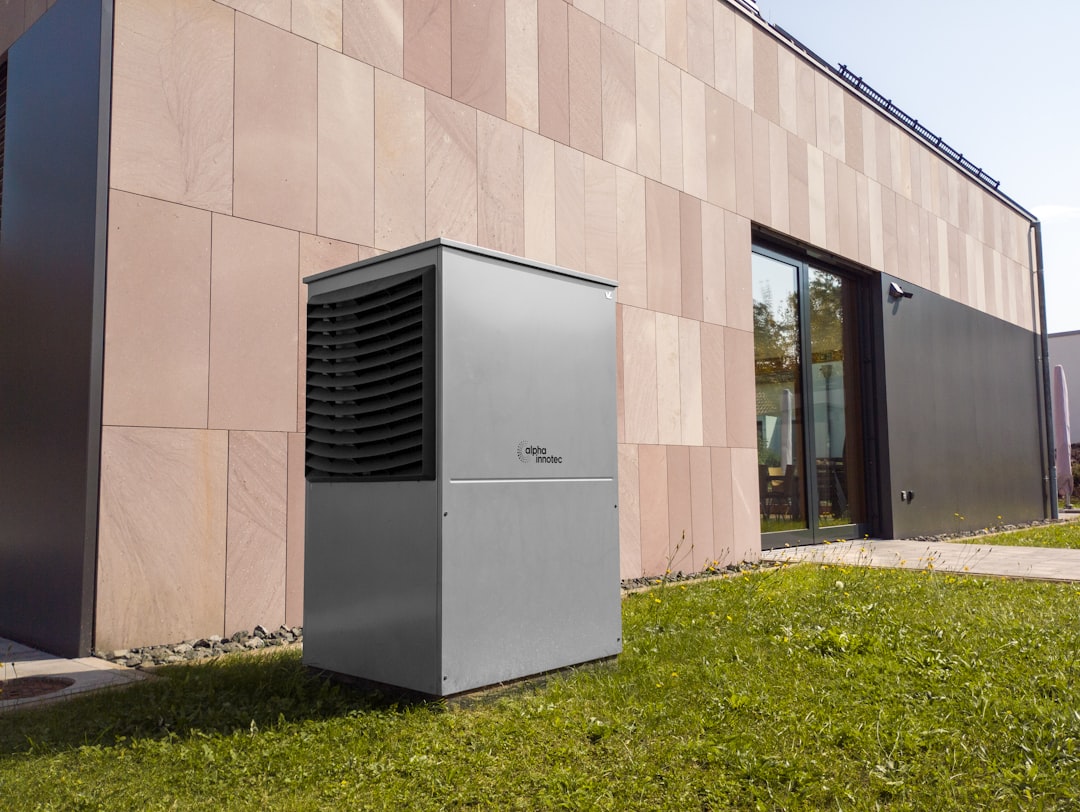
When we talk about heat pump lifespan in May 2026, we have to look at the two main types of systems found across Des Moines and surrounding areas like Ankeny and Waukee. Most homeowners utilize air-source heat pumps, which transfer heat between the indoor air and the outdoor air. These are highly efficient but are exposed to the elements 24/7.
The other option, though less common due to installation complexity, is the ground-source (geothermal) heat pump. These systems use the stable temperature of the earth to exchange heat. Because the most sensitive components are buried or sheltered indoors, they often boast a significantly longer operational life.
Lifespan Comparison Table
| System Type | Average Lifespan (Neglected) | Average Lifespan (Maintained) | Key Longevity Factor |
|---|---|---|---|
| Air-Source Heat Pump | 8–10 Years | 12–15+ Years | Outdoor exposure & airflow |
| Ground-Source Heat Pump | 15–18 Years | 20–25+ Years | Underground stability |
In Central Iowa, our climate plays a massive role in how long these systems last. We aren’t just dealing with heat; we are dealing with sub-zero temperatures, heavy snow, and high humidity. An air-source unit in West Des Moines has to work twice as hard as one in a temperate coastal region because it provides both heating and cooling in extreme conditions. This year-round usage is why a Heat Pump Installation Guide Grimes Ia always emphasizes the importance of a high-quality setup from day one.
How Proper Maintenance Extends Heat Pump Lifespan
We often tell our neighbors in Norwalk and Indianola that a heat pump is like a marathon runner. If you make that runner wear a heavy backpack and run in high heels, they’re going to burn out long before the finish line. Maintenance is what “lightens the load” for your HVAC system.
How proper maintenance extends heat pump lifespan is primarily through the reduction of mechanical friction and thermal stress. When a system is clean and lubricated, the motor doesn’t have to pull as much amperage to turn the fan. When the refrigerant levels are perfect, the compressor—the “heart” of your system—doesn’t have to work at high pressures that lead to micro-cracks and leaks.
Furthermore, regular upkeep prevents a “domino effect” of failures. For example, a failing capacitor (a small electrical component) can cause the compressor to struggle during startup. If you catch that weak capacitor during a routine check, you save the multi-thousand-dollar compressor from an early grave. This is why Professional Heat Pump Installation and subsequent care are the best ways to protect your investment.
How Proper Maintenance Extends Heat Pump Lifespan by Optimizing Airflow
If there is one “secret” to HVAC longevity, it’s airflow. Your heat pump moves heat by moving air. If that air is blocked, the system suffocates.
- The 15% Rule: Research shows that dirty filters force your system to work at least 15% harder to move the same amount of air. This extra effort translates directly into heat and wear on the blower motor.
- Filter Priority: Neglecting basic upkeep like filter cleaning can reduce overall performance by up to 25%. For homeowners in Hvac/Ankeny Ia/Heat Pump Installation zones, we recommend checking filters monthly during peak summer and winter months.
- Airflow Pathways: It’s not just the filter. Blocked registers or furniture pushed against vents can create backpressure in the ductwork, causing the system to “short cycle,” which is when it turns on and off too frequently. This rapid cycling is a leading cause of premature compressor failure.
How Proper Maintenance Extends Heat Pump Lifespan During Iowa Winters
Iowa winters are legendary, and they are particularly tough on heat pumps. Unlike a furnace that just burns gas, a heat pump has to manage frost.
- Defrost Cycles: During winter, the outdoor coil can freeze over. The system is designed to enter a “defrost mode” to melt this ice. However, if the system is low on refrigerant or the sensors are dirty, it may not defrost properly.
- Snow and Ice Clearance: We always advise our friends in Hvac/West Des Moines Ia/Heat Pump Installation areas to keep a path cleared to their outdoor unit. If snow drifts pile up against the sides, the unit can’t pull in air, leading to a total system shutdown or, worse, a frozen block of ice that can bend the fan blades.
- The “Ice Block” Danger: If ice builds up and isn’t addressed, it can expand and damage the delicate aluminum fins on the coils. Regular winter check-ins ensure your “defrost” is doing its job and your system isn’t straining against a wall of snow.
Essential Maintenance Tasks for Homeowners

You don’t need a tool belt and a degree to help your heat pump live a long life. Here are the DIY tasks we recommend for every homeowner from Adel to Altoona:
- The Filter Schedule: Check your filters every 30 days. If you have pets or live near a gravel road (common in some of our outlying service areas), you may need to replace them more often. A high-efficiency 1-inch pleated filter is usually the “sweet spot” for balancing air quality and airflow.
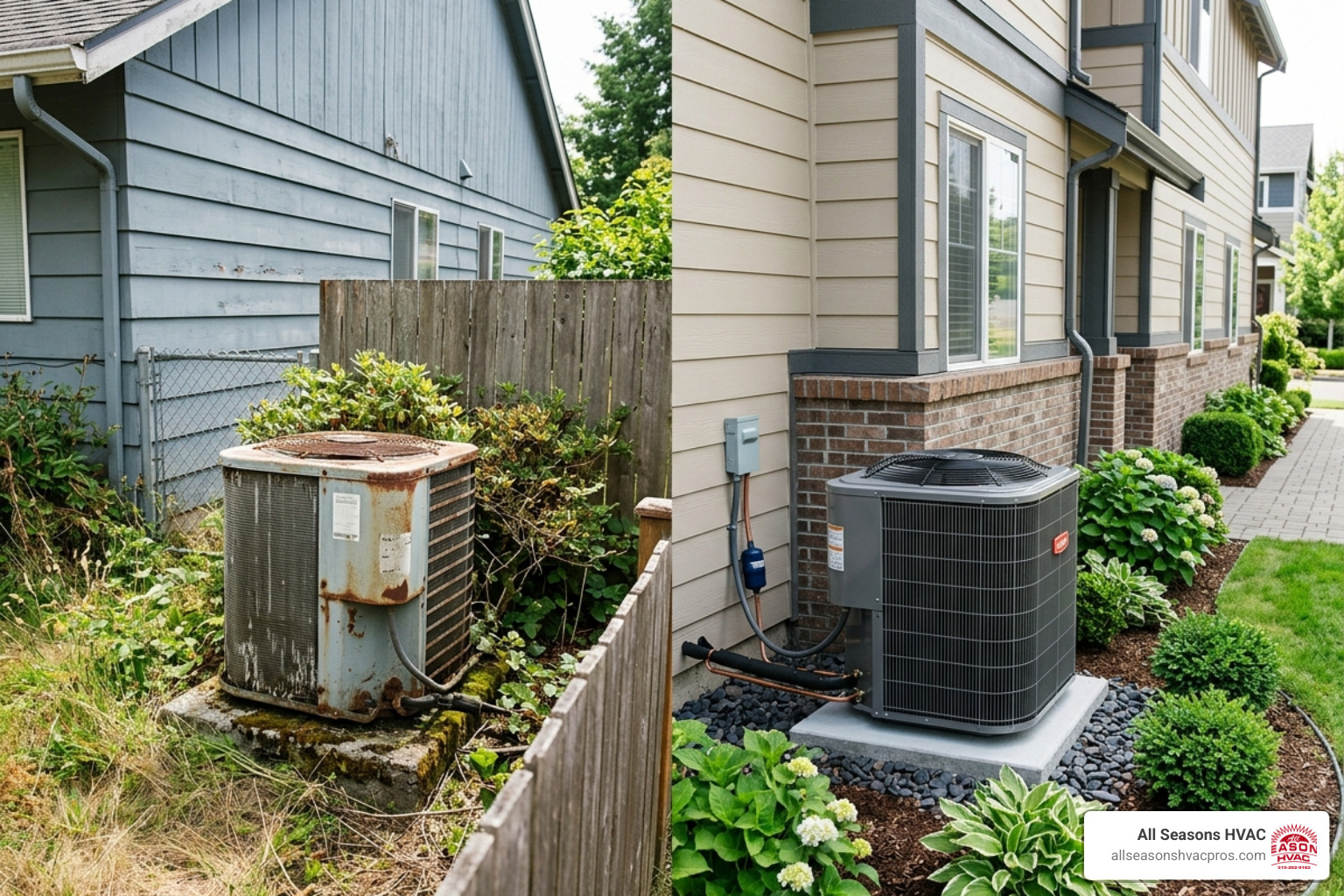
- Clear the Perimeter: Maintain at least 2 to 3 feet of clearance around your outdoor unit. Trim back bushes, remove tall weeds, and make sure your kids haven’t stored their bikes or toys against the unit.
- Gently Rinse the Coils: A couple of times a year, turn off the power to the unit and gently rinse the outdoor coils with a garden hose. Do not use a pressure washer, as the high pressure will flatten the delicate fins and ruin the unit’s efficiency.
- Check the Vents: Walk through your home and ensure no rugs, curtains, or sofas are blocking the supply or return vents. If your system is struggling to “breathe,” you might find your Heat Pump Blowing Cold Air Causes are simply related to poor airflow.
Professional Tune-Ups and Technical Inspections
While DIY care is great, there are technical aspects that require a professional touch. We recommend a professional tune-up at least once a year—ideally twice (once before the cooling season and once before the heating season).
During a professional visit in Hvac/Waukee Ia/Heat Pump Installation service calls, we perform deep-level checks:
- Refrigerant Levels: Too much or too little refrigerant can kill a compressor. We check for the precise “charge” required by the manufacturer.
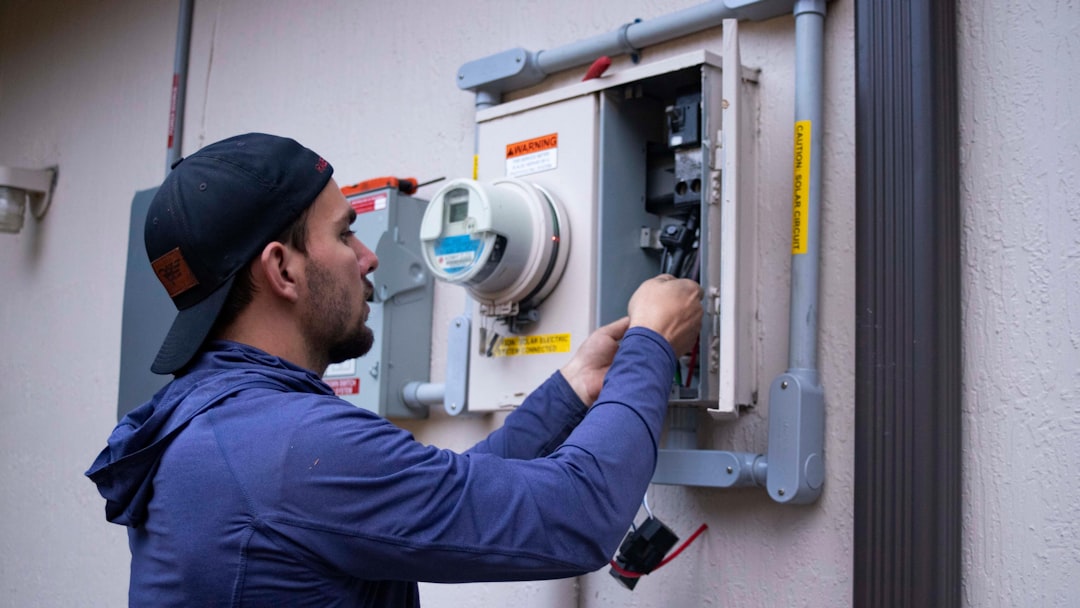
- Electrical Connections: We tighten terminals and check for “pitting” on contactors. Loose wires are a fire hazard and can cause components to burn out due to voltage drops.
- Lubrication: We oil motors and bearings to reduce the friction that leads to overheating.
- Duct Inspection: We look for leaks. If 30% of your conditioned air is leaking into the attic, your heat pump has to run 30% longer to keep you comfortable. Sealing those leaks is one of the fastest ways to extend system life.
Deciding Between Repair and Replacement
Eventually, every system reaches a point where maintenance isn’t enough. How do you know when to stop pouring money into an old unit?
- The 50% Rule: If a repair costs more than 50% of the price of a brand-new system, it’s usually time to replace.
- The “Three Strikes” Rule: If you’ve had to call us for three major repairs in the last two years, the system is telling you it’s tired. Frequent breakdowns are a sign that the internal components are reaching their fatigue limit.
- Energy Bill Spikes: If your bills are climbing even though you’re keeping up with maintenance, the internal efficiency of the compressor may be degrading.
- Age: If your unit is over 12 years old and uses the old R-22 refrigerant (which is now very expensive to source), upgrading to a modern, high-efficiency model is often the smarter financial move. Understanding these Heat Pump Installation Key Factors helps you make an informed choice for your home’s future.
Frequently Asked Questions about Heat Pump Care
What is the average lifespan of a heat pump in May 2026?
Currently, most air-source heat pumps in Central Iowa last between 10 and 15 years. However, with the advanced technology in modern systems and a dedicated maintenance schedule, we are seeing many well-cared-for units pushing toward the 20-year mark. Geothermal systems can last even longer, often 20 to 25 years.
How often should I schedule professional heat pump maintenance?
For the best results, schedule a tune-up twice a year. Because a heat pump works as both your furnace and your air conditioner, it doesn’t get a “season off” like a traditional AC unit might. Spring and fall are the perfect times to ensure your system is ready for the upcoming temperature extremes.
What are the signs that my heat pump is nearing the end of its life?
Watch for rising energy bills, strange grinding or squealing noises, and inconsistent temperatures between rooms. If your system is constantly “short cycling” (turning on and off every few minutes), it’s a major red flag that the system is either improperly sized or failing mechanically.
Conclusion
At All Seasons HVAC LLC, we believe that home comfort shouldn’t be a source of stress. How proper maintenance extends heat pump lifespan is a journey we take with our customers across Des Moines, Ankeny, Waukee, and the entire metro area. By staying proactive with your filters and scheduling your annual professional inspections, you can enjoy a system that runs quieter, costs less to operate, and lasts for years longer than a neglected one.
If you’re worried about the cost of a new system or a major repair, don’t forget that we offer budget-friendly financing plans designed to make year-round home comfort affordable for every family. Whether you need a quick tune-up in Norwalk or a full hvac system replacement in Johnston, we are here to help.
Give us a call today to schedule your maintenance visit and give your heat pump the long, healthy life it deserves!