Why is my system failing? Understanding Common Heat Pump Problems and How to Prevent Them
Common heat pump problems and how to prevent them are something nearly every Des Moines homeowner will face at some point. Whether your system is blowing cold air on a January morning or short cycling through a July heat wave, Central Iowa’s extreme seasonal swings put real stress on heat pump systems year-round.
The good news? Most failures follow predictable patterns — and the majority can be prevented with the right habits.
Here are the most common heat pump problems and how to prevent them:
| Problem | Common Cause | Prevention |
|---|---|---|
| Poor heating or cooling | Dirty air filters, low refrigerant | Replace filters every 30-90 days |
| Frozen outdoor coils | Restricted airflow, defrost cycle failure | Clear debris, schedule seasonal tune-ups |
| Short cycling | Oversized unit, thermostat issues | Proper sizing, thermostat calibration |
| Strange noises | Loose parts, worn motor bearings | Annual professional inspections |
| Unit won’t turn on | Tripped breaker, faulty capacitor | Check panel, call a pro for electrical issues |
| Refrigerant leak | Physical damage to sealed system | Professional leak detection annually |
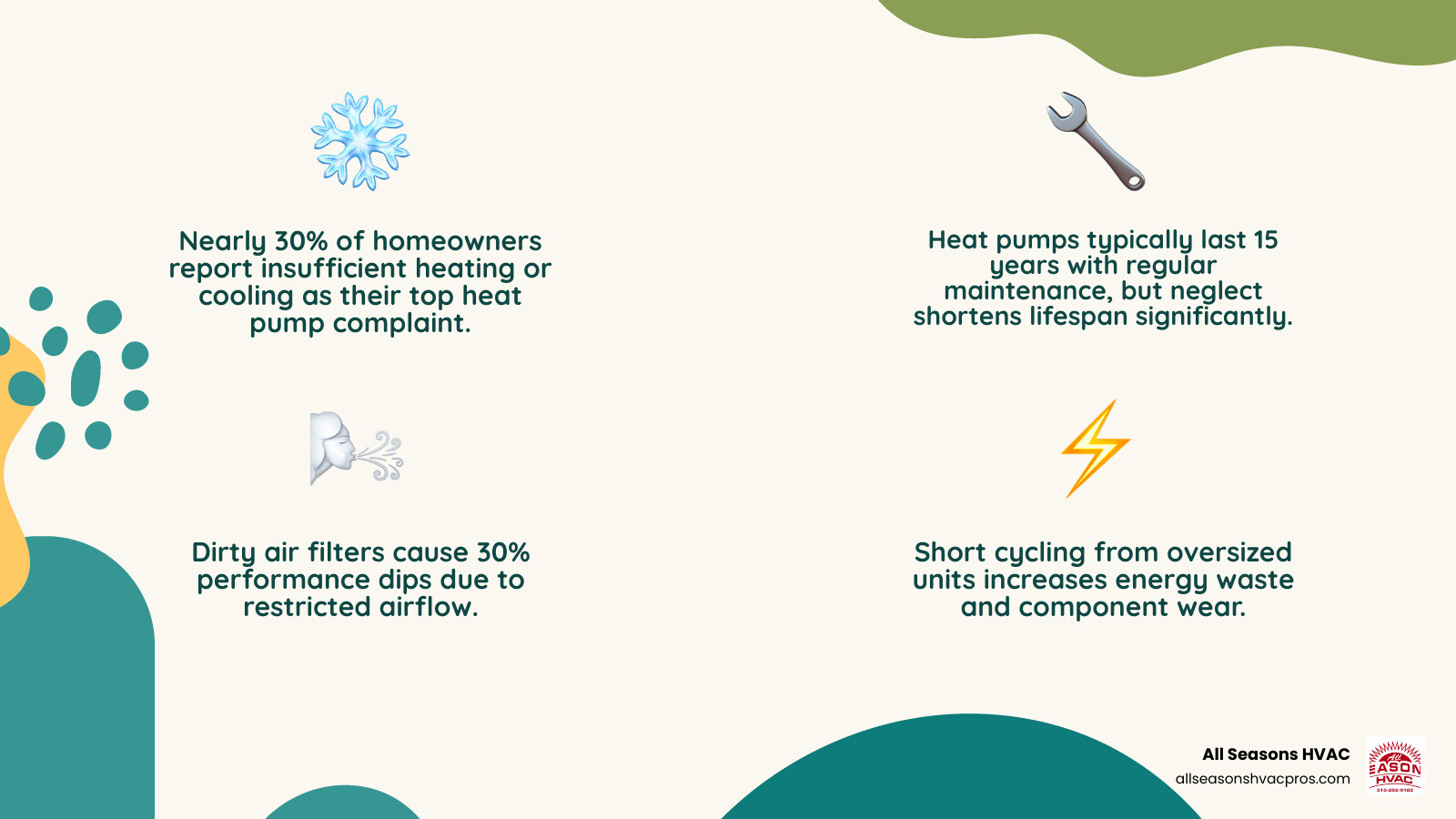
Nearly 30% of homeowners report insufficient heating or cooling as their top heat pump complaint. And without regular maintenance, a system that could last 15 years may fail well before that.
The sections below walk you through each problem, what causes it, and exactly what you can do — or when to call a professional — to keep your system running reliably through every Iowa season.

In a perfect world, your heat pump would hum along quietly for its entire 15-year lifespan without a single hiccup. However, in the real world—specifically in Central Iowa—our systems are asked to do a lot. They aren’t just air conditioners; they are year-round workhorses that move heat out of your home in the summer and pull it in during the winter. This constant operation means that common heat pump problems and how to prevent them should be at the top of every homeowner’s “need to know” list.
System efficiency is the first thing to suffer when maintenance is neglected. A neglected unit has to work harder to achieve the same temperature, which leads to higher utility bills and premature component failure. When we look at Heat Pump Installation Key Factors, we often emphasize that the environment around the unit is just as important as the unit itself.
The following table illustrates the stark difference between a system that receives regular love and one that is left to fend for itself against the Iowa elements:
| Feature | Well-Maintained Heat Pump | Neglected Heat Pump |
|---|---|---|
| Average Lifespan | 15+ Years | 8-10 Years |
| Energy Consumption | Optimal (Standard Efficiency) | 20-25% Higher |
| Repair Frequency | Rare/Predictable | Frequent/Emergency |
| Air Quality | High (Clean Filters/Coils) | Low (Dust/Mold Potential) |
Why is my unit blowing cold? Addressing Airflow Issues: Common Heat Pump Problems and How to Prevent Them
One of the most frustrating calls we receive is from a homeowner whose heat pump is running, but the air coming out of the vents feels lukewarm or even chilly. There are several Heat Pump Blowing Cold Air Causes, but the most frequent culprit is surprisingly simple: a dirty air filter.
When an air filter is clogged with dust, pet hair, and Iowa pollen, it restricts the volume of air moving over the coils. This can lead to a 30% performance dip almost overnight. To prevent this, we recommend a 30-90 day replacement schedule. If you have pets or allergies, checking them monthly is even better.
Beyond the filter, you should ensure that your indoor supply registers and return vents aren’t blocked by furniture, curtains, or rugs. Restricted airflow doesn’t just make you uncomfortable; it puts immense strain on the blower motor and can eventually cause the entire system to shut down to prevent overheating.
Why does my unit keep turning off? Stopping Short Cycling: Common Heat Pump Problems and How to Prevent Them
Short cycling occurs when your heat pump turns on and off rapidly without ever completing a full heating or cooling cycle. This is an “energy vampire” that wastes electricity and wears out the compressor—the most expensive part of your system.
Often, this is a symptom of an oversized unit. If a system is too powerful for the square footage of your home, it cools or heats the air so quickly that the thermostat reaches its goal before the humidity has been removed or the air has circulated properly. This is why Professional Heat Pump Installation is so critical; a pro will perform a Manual J load calculation to ensure the unit is perfectly sized for your specific home.
If your unit is sized correctly but still short cycling, it may be a matter of thermostat calibration. Upgrading to a smart thermostat can offer up to 23% energy savings and provides better communication with your HVAC system. For those in the southern suburbs, checking The Locals Guide To Top Rated Heat Pump Installation Contractors In Norwalk can help you find experts who understand these calibration nuances.
Troubleshooting Strange Noises and Sensory Warning Signs
Your heat pump should be seen and not heard (well, mostly). While a gentle whooshing sound is normal, other noises are cries for help.
- Rattling or Clanging: Usually indicates loose panels or a piece of debris, like a twig or ice, that has fallen into the fan blades.
- Grinding: This is often a sign of worn-out motor bearings. If you hear this, shut the unit off immediately to prevent the motor from seizing.
- Squealing: Typically points to a failing blower motor or a belt issue in older models.
- Hissing or Bubbling: These are classic signs of a refrigerant leak. Since refrigerant is under pressure, it makes a distinct sound as it escapes.
Don’t ignore your nose, either. “Dirty sock syndrome” is a real industry term for the musty, moldy smell that occurs when bacteria grow on damp evaporator coils. Conversely, a fishy or “burnt plastic” smell is a major red flag for electrical issues, such as a melting wire or a failing capacitor. If you smell something electrical, use the emergency shutdown protocol: turn the system off at the thermostat and the circuit breaker, then call us.
Seasonal Maintenance Strategies for Central Iowa Homeowners
Prevention is the best medicine for your HVAC system. In places like Johnston and Ankeny, our outdoor units deal with everything from cottonwood seeds in the spring to heavy snow drifts in the winter.
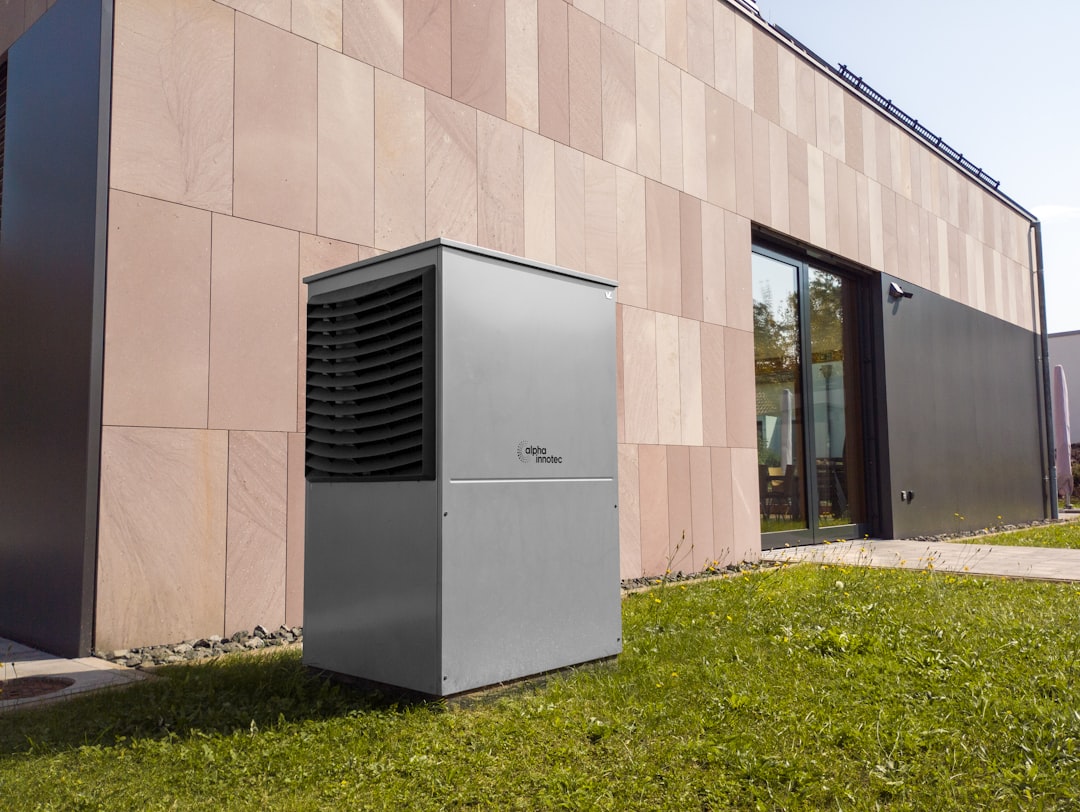
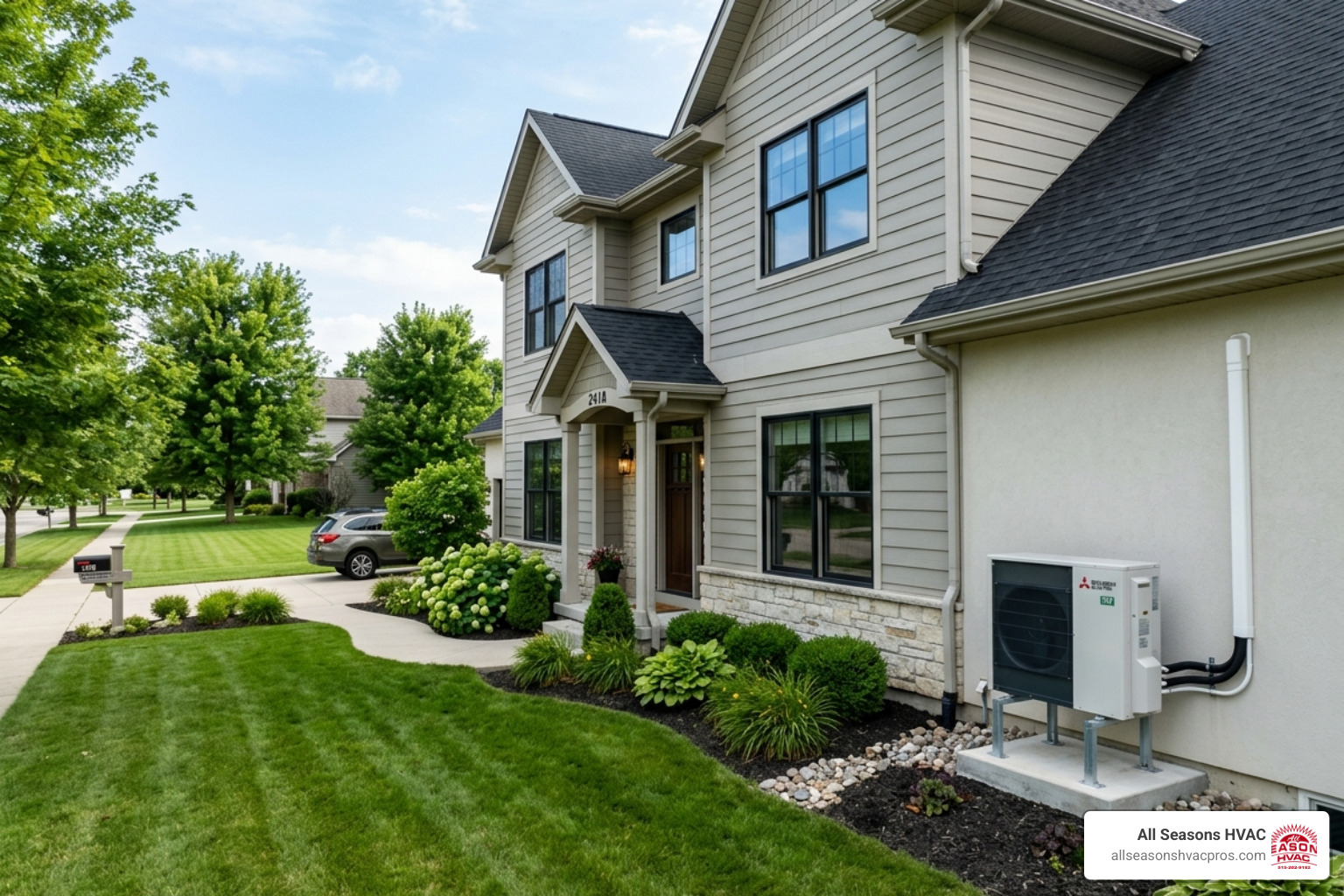
A key rule for homeowners is the “3-foot rule.” Maintain a 3-foot perimeter of clear space around your outdoor unit. This means trimming back bushes, removing tall weeds, and ensuring that mulch doesn’t pile up against the base. If you are preparing for a new system, Everything You Need To Know About Your New Heat Pump Install In Johnston Ia covers how to choose the best location for airflow.
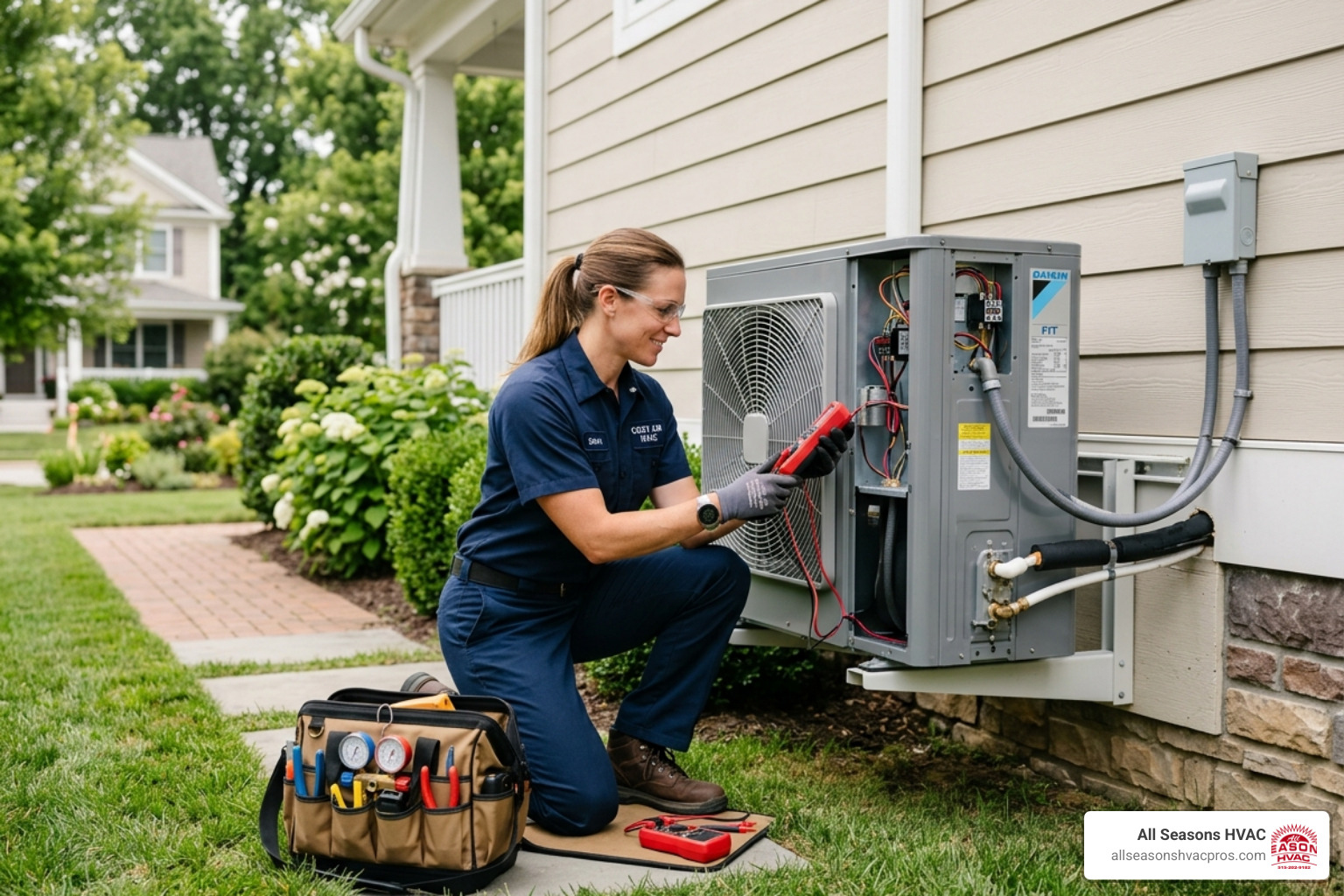
Bi-annual tune-ups are the gold standard. We recommend a spring visit to prep for the cooling season and a fall visit to ensure the heating components and defrost cycles are ready for the Iowa frost. During these visits, a technician will deep-clean the coils, which is essential because even a thin layer of dirt acts as insulation, preventing the heat transfer process that makes your system efficient.
Frequently Asked Questions about Heat Pump Issues
Why is my heat pump outdoor unit covered in ice?
Seeing a little frost on your unit during a cold morning is actually normal! The system has a built-in defrost cycle that periodically reverses the flow of heat to melt that frost away. However, if the unit is encased in a block of ice that won’t melt, you have a problem. This is often caused by a faulty defrost sensor, a bad control board, or restricted airflow. Another common local cause? Leaky gutters dripping water directly onto the unit, where it freezes into a thick ice shell.
How do I know if my heat pump has a refrigerant leak?
Refrigerant is the “lifeblood” of your system, and it should never “run out” because the system is sealed. If it is low, there is a leak. Signs include hissing sounds, ice forming on the indoor evaporator coils, and a noticeable drop in the system’s ability to reach your set temperature. You might also see oily residue around the joints of the refrigerant lines. Because of EPA regulations, only licensed technicians are allowed to handle and recharge refrigerant.
What should I check if my heat pump won’t turn on?
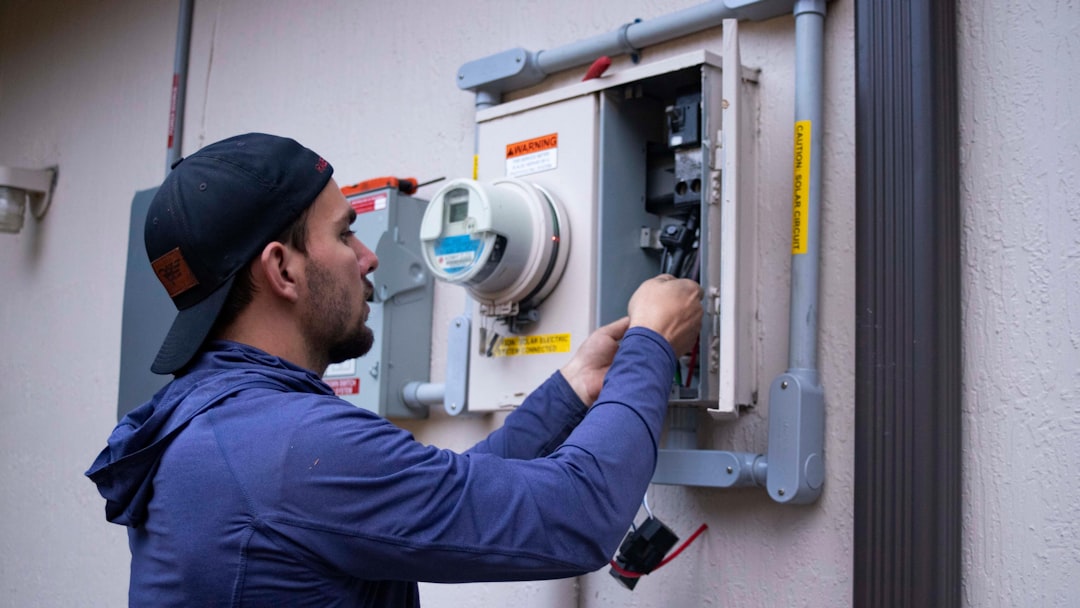
Before you panic, check the basics. Is the thermostat set to “Heat” or “Cool” rather than “Off”? Does it need new batteries? Next, check your electrical panel for a tripped circuit breaker. Heat pumps usually have two breakers—one for the indoor unit and one for the outdoor unit. If the breakers are fine, the issue might be a “blown” starter capacitor or a faulty contactor, both of which require a professional to replace safely.
Conclusion
At All Seasons HVAC LLC, we believe that home comfort shouldn’t be a source of stress. Understanding common heat pump problems and how to prevent them is the first step in taking control of your home’s climate. Whether you are in the heart of Des Moines or in the surrounding communities, our goal is to keep your system running at peak performance.
We are proud to serve the following areas with expert care and budget-friendly financing plans:
- Des Moines & West Des Moines
- Ankeny & Waukee
- Norwalk & Indianola
- Grimes & Johnston
- Altoona, Mitchellville, & Carlisle
- Adel, De Soto, & Dallas Center
- Van Meter, Madrid, & Granger
Don’t wait for a total system failure to give your heat pump the attention it deserves. Schedule your professional maintenance with All Seasons HVAC today and breathe easy knowing your home is ready for whatever the Iowa weather throws our way!