Why Heat Pump Maintenance Tips Matter for Des Moines Homeowners
Heat pump maintenance tips every homeowner in Des Moines, Iowa should know:
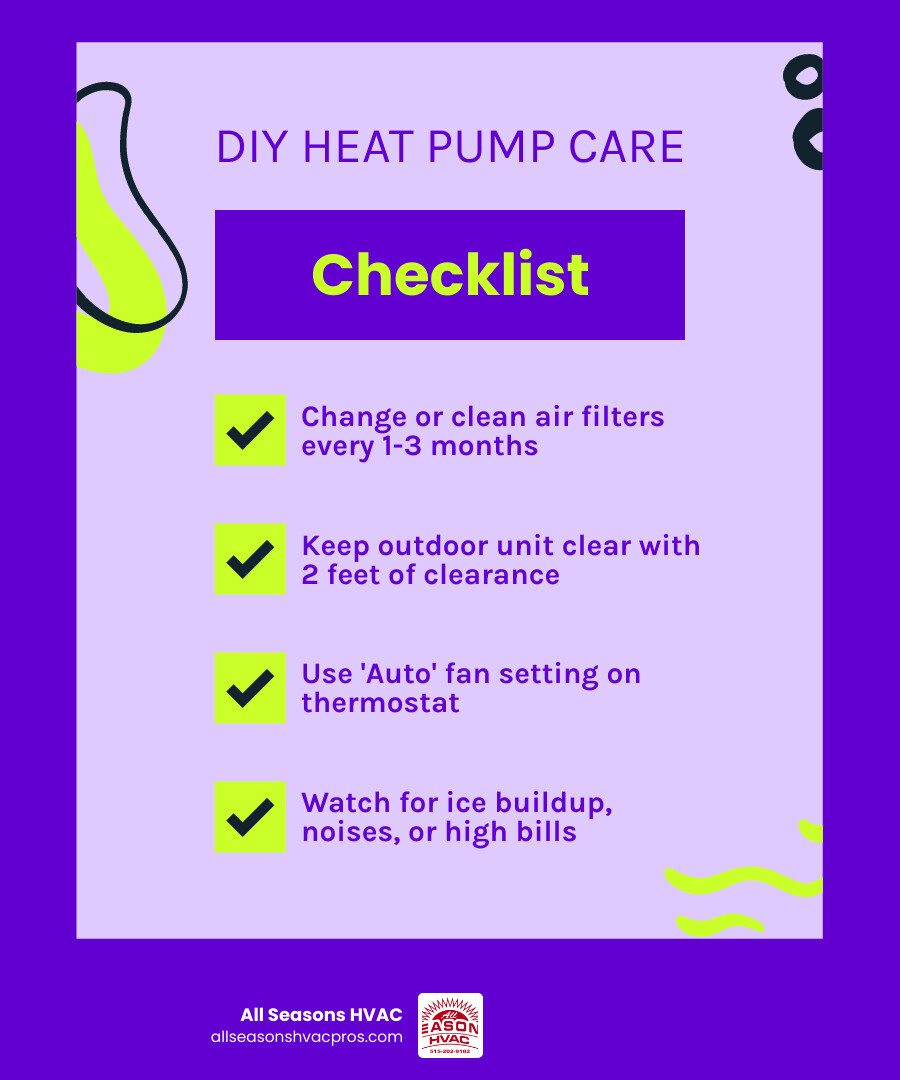
- Change or clean air filters every 1-3 months to prevent airflow restriction and inefficiency.
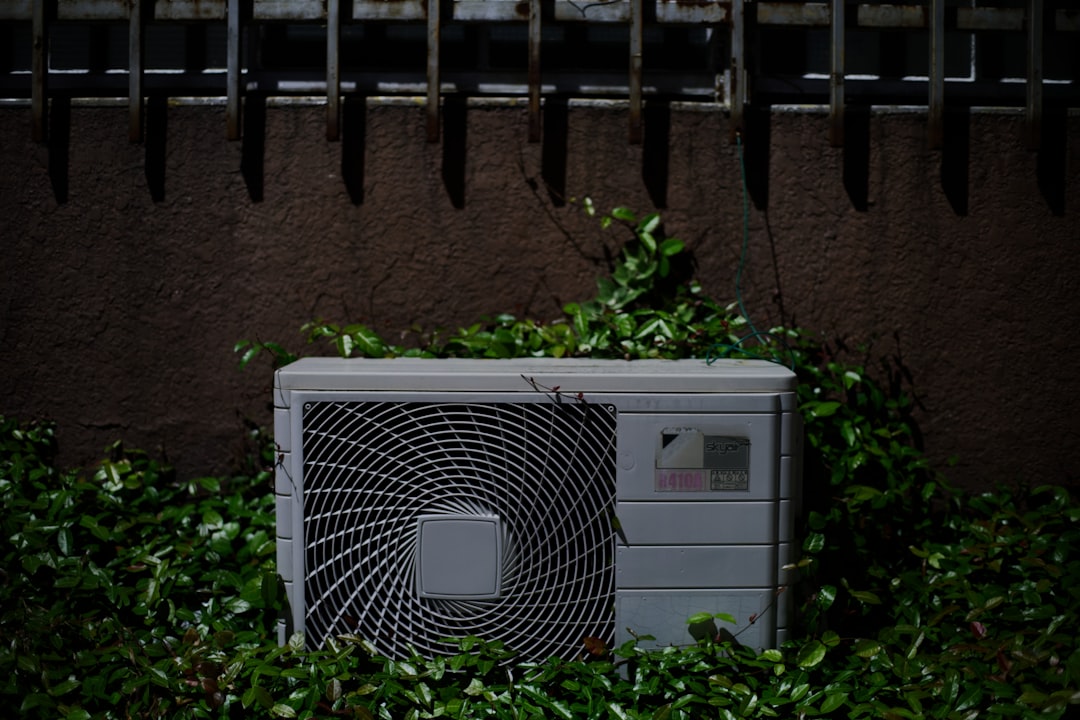
- Keep the outdoor unit clear — maintain at least 2 feet of clearance from shrubs, debris, and snow.
- Set your thermostat correctly — use the “Auto” fan setting and avoid large temperature setbacks that trigger expensive backup heat.
- Watch for warning signs like unusual noises, ice buildup, musty odors, or rising energy bills.
- Schedule professional maintenance at least once a year — twice if your system runs year-round.
Your heat pump works harder than almost any other appliance in your home. Unlike a furnace or air conditioner, it runs in both heating and cooling modes — meaning it faces twice the wear and tear of a single-season system. According to the U.S. Department of Energy, a well-maintained heat pump can use 10% to 25% less energy than a neglected one. Over time, that gap adds up fast on your utility bill.
For homeowners in Des Moines and across Central Iowa, this matters even more. Our climate swings between humid summers and bitter winters, putting real stress on heat pump systems season after season. Skipping routine care isn’t just a risk to comfort — it’s a risk to your budget. At least one-third of all service calls can be traced back to something as simple as a dirty air filter.
The good news? Most of what keeps a heat pump running well is straightforward. Some of it you can do yourself. Some of it needs a licensed technician. Knowing the difference is exactly what this guide is here to help with.
Essential DIY Heat Pump Maintenance Tips for Homeowners
When we talk about heat pump maintenance tips, we always like to start with the tasks you can handle safely on your own. You don’t need a tool belt or an engineering degree to keep your system in top shape; you just need a bit of consistency.
Maintaining your system starts with understanding that airflow is king. If your heat pump can’t “breathe,” it has to work twice as hard to move air through your home. This leads to higher energy bills and a shorter lifespan for the compressor. Beyond the indoor components, the outdoor unit needs its own breathing room.
Here is a quick monthly checklist of DIY tasks we recommend for every Central Iowa homeowner:
- Inspect the air filter and replace it if it looks gray or dusty.
- Walk around the outdoor unit to ensure no trash, leaves, or tall grass are blocking the vents.
- Check that indoor supply and return registers are open and not blocked by furniture or heavy drapes.
- Listen for any new or strange sounds when the system kicks on.
Understanding Heat Pump Installation Key Factors can help you realize why these small steps are so vital for the overall health of your HVAC system.
Maintaining Airflow with Regular Filter Changes
The single most important thing you can do for your heat pump is to change the air filter. We generally recommend checking it every 30 days, especially during the peak of a Des Moines summer or a freezing January. While some high-efficiency 4-inch filters can last up to six months, the standard 1-inch pleated filters usually need a swap every 1 to 3 months.
When choosing a filter, look at the MERV (Minimum Efficiency Reporting Value) rating. For most residential systems, a MERV rating between 8 and 13 is the “sweet spot.” It’s strong enough to trap pet dander, dust, and mold spores without being so thick that it restricts airflow. If you have pets or suffer from allergies, you might even consider bi-weekly checks during the high-pollen spring months.
Keeping the Outdoor Unit Clear Year-Round
Your outdoor unit is the heart of the heat transfer process. In the summer, it releases heat from your home; in the winter, it pulls heat from the outside air. If it’s buried in overgrown shrubs or covered in lawn clippings, that process stalls.
We recommend maintaining a 24-inch (2-foot) clear perimeter around the entire unit. This means trimming back bushes, pulling weeds, and ensuring that “cottonwood season” in Iowa doesn’t result in a thick blanket of seeds clogging your outdoor coils. Additionally, keep an eye on the base pan drainage. If the small holes at the bottom of the unit get plugged with dirt, water can’t escape, which can lead to ice buildup in the winter.
Optimizing Performance with Thermostat Best Practices
How you interact with your thermostat plays a massive role in how much you pay each month. Heat pumps are “slow and steady” machines. Unlike a gas furnace that blasts hot air to reach a temperature quickly, a heat pump works most efficiently when it maintains a consistent temperature.
One of the best heat pump maintenance tips regarding your thermostat is to keep the fan setting on “Auto” rather than “On.” When the fan is set to “On,” it runs continuously, which can actually increase humidity in the summer and wear out the fan motor faster. The “Auto” setting ensures the fan only runs when the system is actively heating or cooling.
Another critical tip for Iowa winters: avoid large “setbacks.” If you drop your thermostat by 10 degrees while you’re at work, the heat pump may struggle to recover that heat quickly when you return. This often triggers the “Emergency Heat” or “Auxiliary Heat” mode—which uses electric resistance strips. These strips are essentially giant toaster coils that are much more expensive to run than the heat pump itself.
To learn more about how to manage your system during the initial setup, check out our Heat Pump Installation Guide Grimes Ia.
Recognizing When Your System Needs Professional Attention
Even with the best DIY care, there are times when you need to call in the pros. Your heat pump will usually try to tell you when something is wrong—you just have to know what to listen (and smell) for.
- Unusual Noises: A healthy heat pump makes a steady hum. If you start hearing grinding, rattling, or a loud hissing (which could indicate a refrigerant leak), it’s time for an inspection.
- Musty Odors: If the air coming from your vents smells like a locker room, you might have “Dirty Sock Syndrome.” This happens when mold or bacteria grow on the indoor coils.
- Frequent Cycling: If the unit turns on and off every few minutes (short-cycling), it could be a sign of an oversized system, a failing sensor, or a major airflow blockage.
- Ice Buildup: While a little frost is normal during a defrost cycle, a unit encased in a block of ice is a red flag. This often points to a Heat Pump Blowing Cold Air Causes or a malfunctioning defrost board.
If your utility bills suddenly skyrocket without a change in the weather, your system is likely losing efficiency and needs a professional tune-up.
What to Expect During a Professional Tune-Up
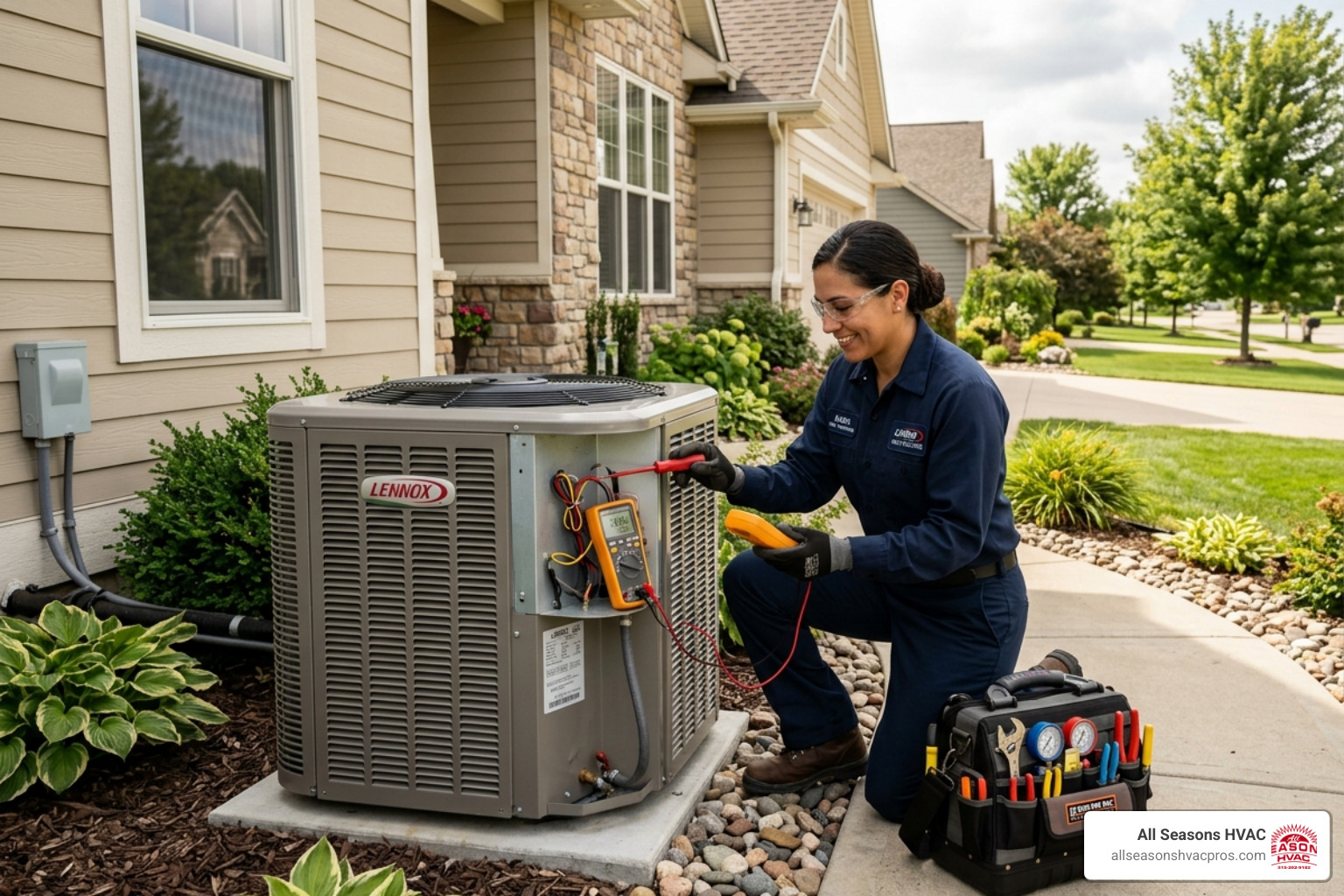
A professional maintenance visit is much more than just a quick look-over. When our technicians visit your home in Ankeny or Waukee, we perform a deep dive into the system’s mechanical and electrical health.
Professional tasks are strictly for those with the right training. For example, handling refrigerant requires EPA certification. We check the refrigerant charge to ensure it’s at the manufacturer’s exact specifications. If it’s too low, the system won’t heat or cool; if it’s too high, it can damage the compressor.
Our Technicians For Heat Pump Installation and maintenance also perform the following:
- Electrical Inspection: We tighten all connections and inspect the run capacitors for bulging or leaks.
- Motor Lubrication: We ensure all moving parts are lubricated to reduce friction and heat.
- Condensate Drain Flushing: We clear out the algae and debris that can clog your drain lines and cause water damage in your home.
Maximizing Efficiency with Professional Heat Pump Maintenance Tips
During a pro visit, we also focus on deep cleaning. We use self-rinsing cleaners on the indoor evaporator coils to remove dust that a vacuum can’t reach. We also check the balance of the blower wheel. Even a tiny amount of dust on the blades of a blower wheel can reduce its efficiency and cause the motor to draw more amperage, leading to higher costs. Finally, we test the reversing valve—the part that allows the system to switch between heating and cooling—to ensure it isn’t sticking.
Troubleshooting Common Issues with Heat Pump Maintenance Tips
Many common issues, such as frozen evaporator coils, are actually symptoms of deeper problems like duct leakage or faulty sensors. A professional can calibrate your thermostat to ensure it’s reading the room temperature accurately. If your system was never quite right from day one, it might be due to a lack of Professional Heat Pump Installation, which we can help diagnose during a routine maintenance visit.
Troubleshooting and Winter Care in Central Iowa
In places like Des Moines and Grimes, IA, winter presents a unique challenge. Snow and ice are the natural enemies of heat pump efficiency.
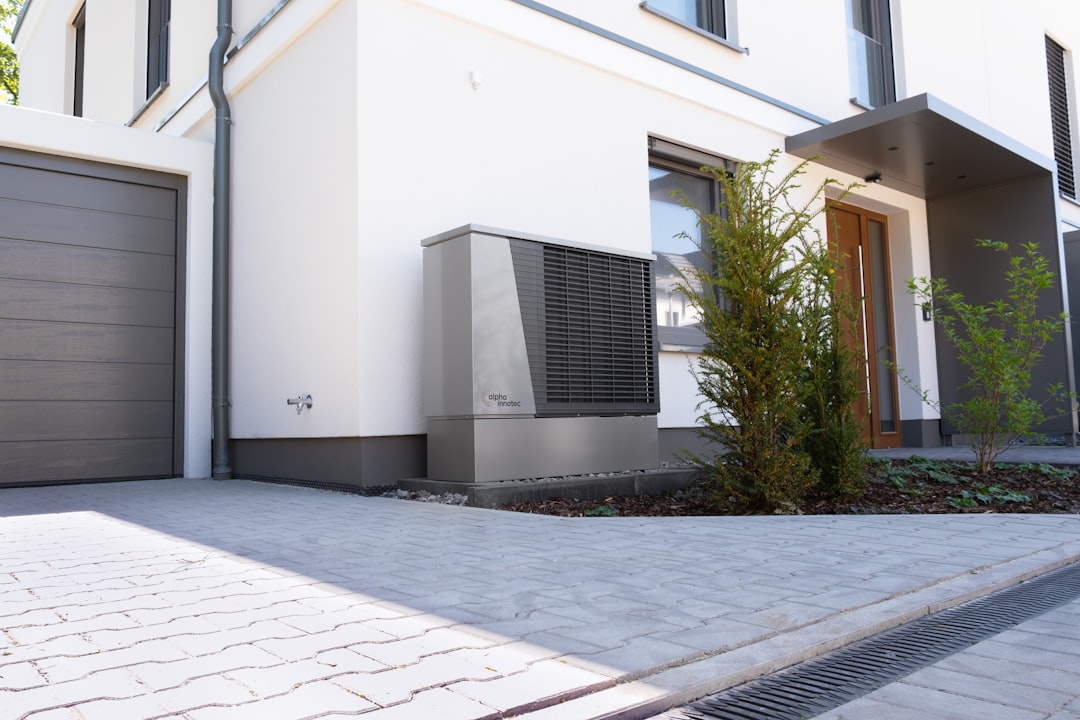
One of the best heat pump maintenance tips for our region is to ensure your unit is elevated. We recommend a “snow stand” that keeps the unit 4 to 8 inches off the ground. This prevents snow from burying the unit and allows melted ice to drain away during the defrost cycle.
| Problem | DIY Solution | Professional Repair Needed? |
|---|---|---|
| Light Frost on Coils | None (Let the defrost cycle run) | No |
| Unit Encased in Heavy Ice | Pour warm water gently over ice | Yes (Check defrost sensor) |
| Snow Blocking Vents | Clear snow by hand or brush | No |
| Emergency Heat Stays On | Check thermostat settings | Yes (Check outdoor sensors) |
If you notice your unit is struggling during a deep freeze, you can gently use a garden hose to melt ice, but never use a screwdriver or ice pick to chip it away. You could easily puncture a refrigerant line, turning a simple maintenance issue into an expensive repair.
The Long-Term Benefits of Routine Care
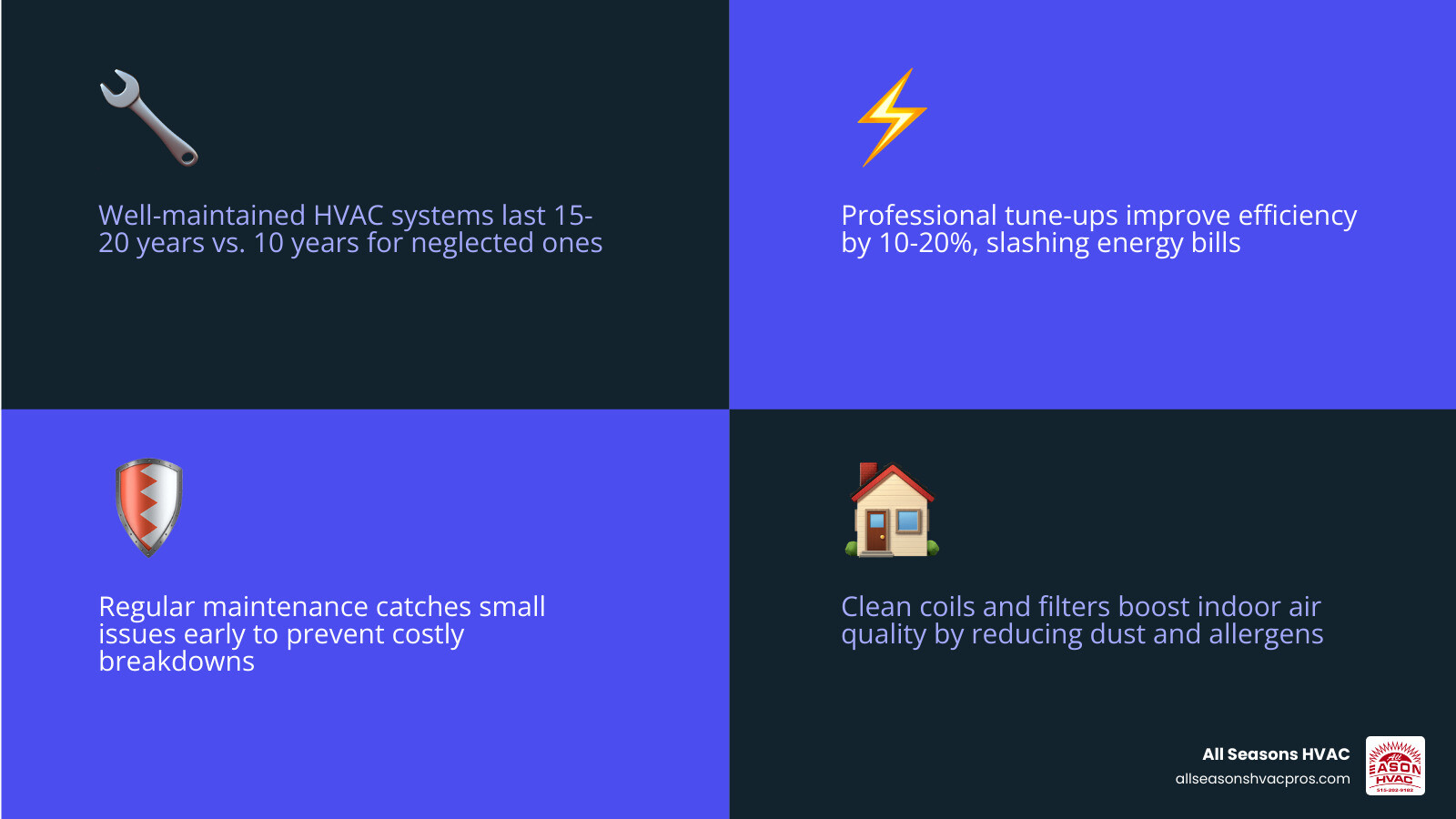
Think of heat pump maintenance tips as an investment rather than a chore. A well-cared-for air-source heat pump has an average lifespan of about 15 years. Without maintenance, that can drop to 10 years or less.
The benefits of routine care include:
- Energy Savings: Reducing your consumption by up to 30% through better efficiency.
- Warranty Compliance: Most manufacturers require proof of annual professional service to honor parts warranties.
- Indoor Air Quality: Cleaner coils and filters mean fewer allergens circulating through your home.
- Peace of Mind: Knowing your system won’t quit on the hottest day of July or the coldest night of January.
By staying proactive, you reduce the overall wear and tear on the compressor and motors, which are the most expensive parts to replace.
Frequently Asked Questions about Heat Pump Maintenance
How often should I change my heat pump’s air filter?
For most homes in Central Iowa, we recommend changing the filter every 1 to 3 months. If you have multiple pets, live near a gravel road, or have a high-occupancy home, you should check it monthly.
Is it normal for my heat pump to have ice on it during winter?
A thin coating of frost is normal. The heat pump has a built-in defrost cycle that will periodically turn the outdoor fan off and heat the coils to melt it away. However, if the entire unit is covered in thick ice or snow, it needs attention.
Can I perform my own refrigerant checks?
No. Checking and handling refrigerant requires specialized gauges and EPA certification. It is illegal and dangerous for an unlicensed individual to handle refrigerant due to the high pressures and environmental risks involved.
Conclusion
Keeping your home comfortable in the Greater Des Moines area doesn’t have to be a mystery. By following these heat pump maintenance tips, you can ensure your system runs efficiently for years to come. From simple monthly filter changes to scheduling your annual professional tune-up with All Seasons HVAC LLC, every bit of effort helps protect your investment.
If you’re looking for expert Central Iowa technicians to handle your seasonal maintenance, we are here to help. We serve Des Moines, Ankeny, Waukee, and all surrounding communities with reliable service and budget-friendly financing plans for all your home comfort needs.