Why Water Heater Installation in Madrid, IA Deserves Careful Planning
Water heater installation in Madrid, IA is one of those home projects that affects your daily comfort more than almost anything else — hot showers, clean dishes, laundry — it all depends on a reliable system running behind the scenes.
Here’s a quick overview of what Madrid, IA homeowners need to know:
- Types available: Tankless, storage tank, heat pump, gas, and electric water heaters
- When to replace: Units over 10 years old, rusty water, leaks, or unusual noises
- Installation process: Includes permit pulling, old unit removal, new unit setup, and safety testing
- Sizing matters: Match gallon capacity or flow rate to your household’s peak demand
- Local considerations: Hard water sediment and gas line pressure are common factors in Madrid homes
- Energy efficiency: Heat pump water heaters and tankless models offer significant long-term savings
- Who to call: A licensed, local HVAC and plumbing professional familiar with Iowa codes
Most Madrid homeowners don’t think about their water heater until something goes wrong. But waiting for a cold shower — or worse, a flooded basement — to make a move can turn a straightforward replacement into a stressful emergency. According to the U.S. Department of Energy, water heating accounts for roughly 20% of a home’s total energy use, which means the right system choice also has a real impact on your monthly bills.
Whether you’re dealing with an aging tank, upgrading to a tankless system, or installing a water heater in a newly built home, this guide walks you through everything you need to know — from choosing the right unit to understanding local permit requirements and keeping your new system running strong for years to come.
What are the best water heater options for my Madrid, IA home?
When we talk about water heater installation in Madrid, IA, the first hurdle is usually deciding which “box” is going to sit in your utility room or basement. Not all water heaters are created equal, and the climate here in Central Iowa plays a role in how these systems perform.
Storage Tank Water Heaters
These are the “old faithful” of the industry. They keep a large volume of water (usually 30 to 80 gallons) heated and ready at all times. They are generally the most budget-friendly upfront option. You can find these in both gas and electric configurations. While they are reliable, they do suffer from “standby heat loss,” meaning the unit has to kick on periodically to keep that big tank of water warm even when you aren’t using it.
Tankless Water Heaters
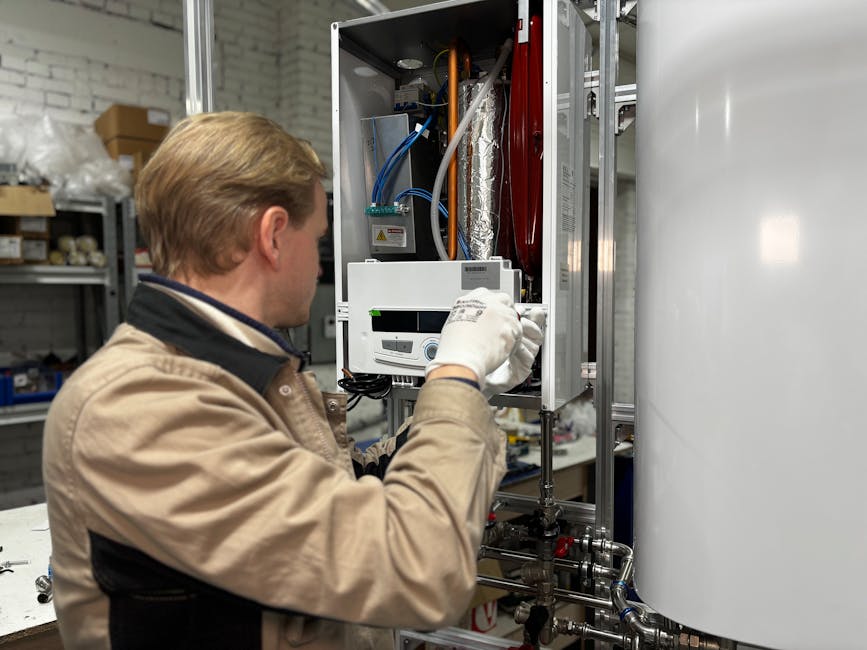
Often called “on-demand” heaters, these units don’t have a tank at all. Instead, they use high-powered burners or electric elements to heat water instantly as it flows through the unit. They are incredibly space-saving and can provide an endless supply of hot water—perfect if your household has back-to-back showers in the morning.
Heat Pump (Hybrid) Water Heaters
These are the tech-forward choice. Instead of generating heat directly, they pull heat from the surrounding air and move it into the water. In a state like Iowa, where we have distinct seasons, these are exceptionally efficient, often operating at up to 5 times the efficiency of a standard electric tank. To get the full picture of your choices, you can learn about different types of water heaters to see which fits your lifestyle best.
Comparing tankless vs. traditional tank models for local residents
Deciding between tankless and traditional tank models is the most common debate we see during water heater installation in Madrid, IA. Both have their place, but the right choice depends on your priorities: comfort, space, or long-term savings.
On-Demand Heating vs. Standby Loss
Tankless units win on efficiency because they only use energy when you turn on the tap. Traditional tanks lose heat through the walls of the tank 24/7. However, tankless units have a “flow rate” limit—if you try to run two showers, the dishwasher, and the laundry all at once, a single tankless unit might struggle to keep up.
Lifespan and Space
A traditional tank usually lasts about 10 to 15 years. A tankless unit, with proper maintenance, can easily last 20 years or more. Plus, tankless units are about the size of a suitcase and mount on the wall, freeing up valuable floor space in your Madrid home.
| Feature | Traditional Tank | Tankless Model |
|---|---|---|
| Upfront Cost | Lower | Higher |
| Lifespan | 10-15 Years | 20+ Years |
| Space Required | High (Floor Space) | Low (Wall Mounted) |
| Efficiency | Moderate | High |
| Hot Water Supply | Limited to Tank Size | Endless (within flow rate) |
Because these systems involve high-voltage electricity or natural gas lines, why professional installation matters cannot be overstated. A DIY slip-up with a gas line or a pressure relief valve isn’t just a headache—it’s a safety risk.
How do I know it’s time for a water heater installation in Madrid, IA?
We’ve all been there: you’re mid-shampoo and the water suddenly turns into an Arctic blast. While total failure is a clear sign, there are often more subtle signs you need a new water heater installation before the ice-bucket challenge comes to your bathroom.
- The Decade Mark: Most water heaters have a lifespan of 10 to 12 years. If yours is celebrating its 11th birthday, it’s living on borrowed time.
- Rusty or Discolored Water: If your hot water looks like tea but the cold water is clear, the inside of your tank is likely corroding. This is one of the common reasons water heaters fail and can eventually lead to a burst tank.
- Strange Noises: Do you hear popping, banging, or rumbling from the basement? That’s usually sediment that has hardened at the bottom of the tank. When the burner heats that sediment, it creates steam bubbles that pop. Dealing with strange water heater noises early can prevent a major leak.
- Moisture Around the Base: Any standing water or “sweating” around the unit is a red flag. It often indicates a hairline fracture in the inner tank that will only get worse.
The professional installation process and local requirements
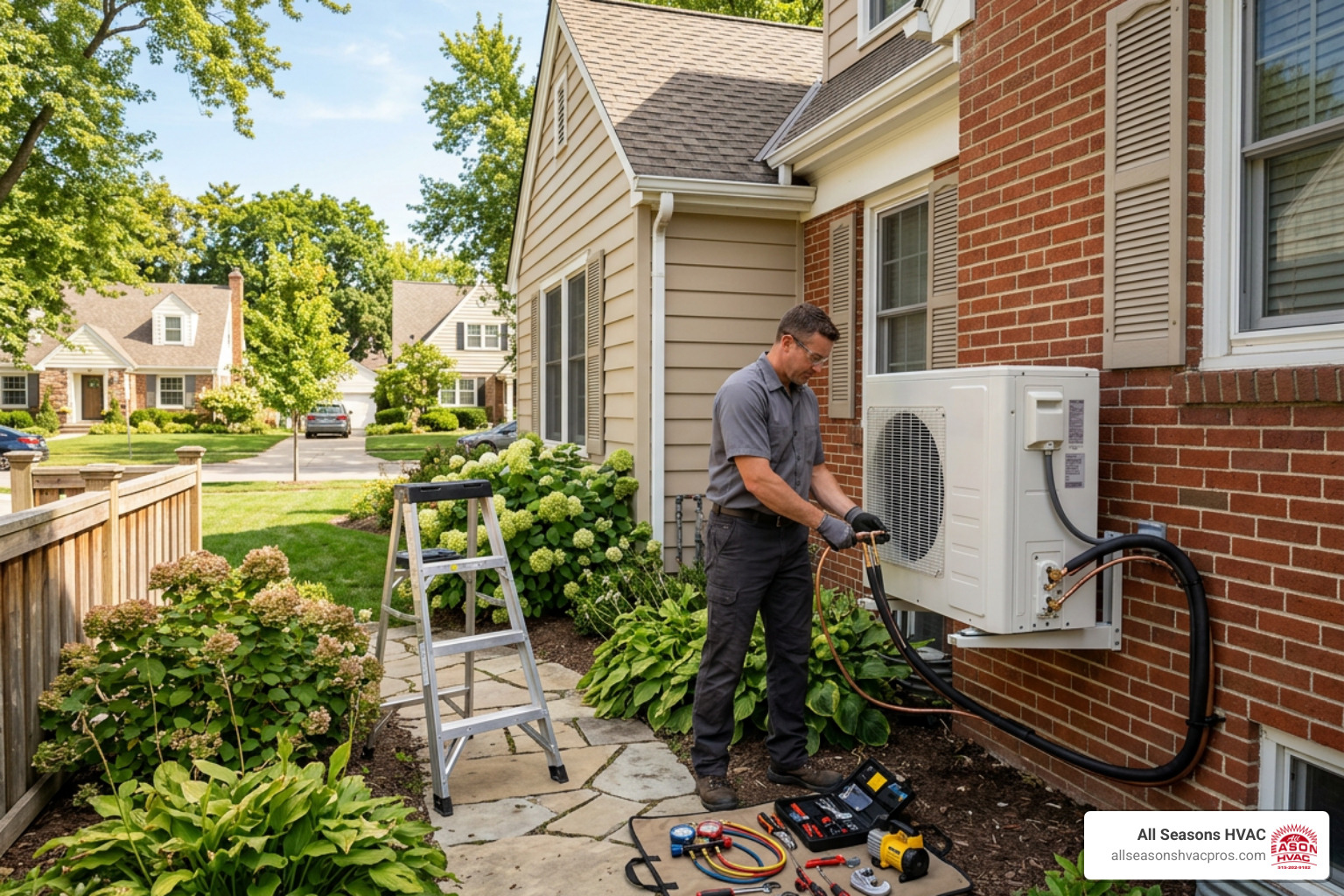
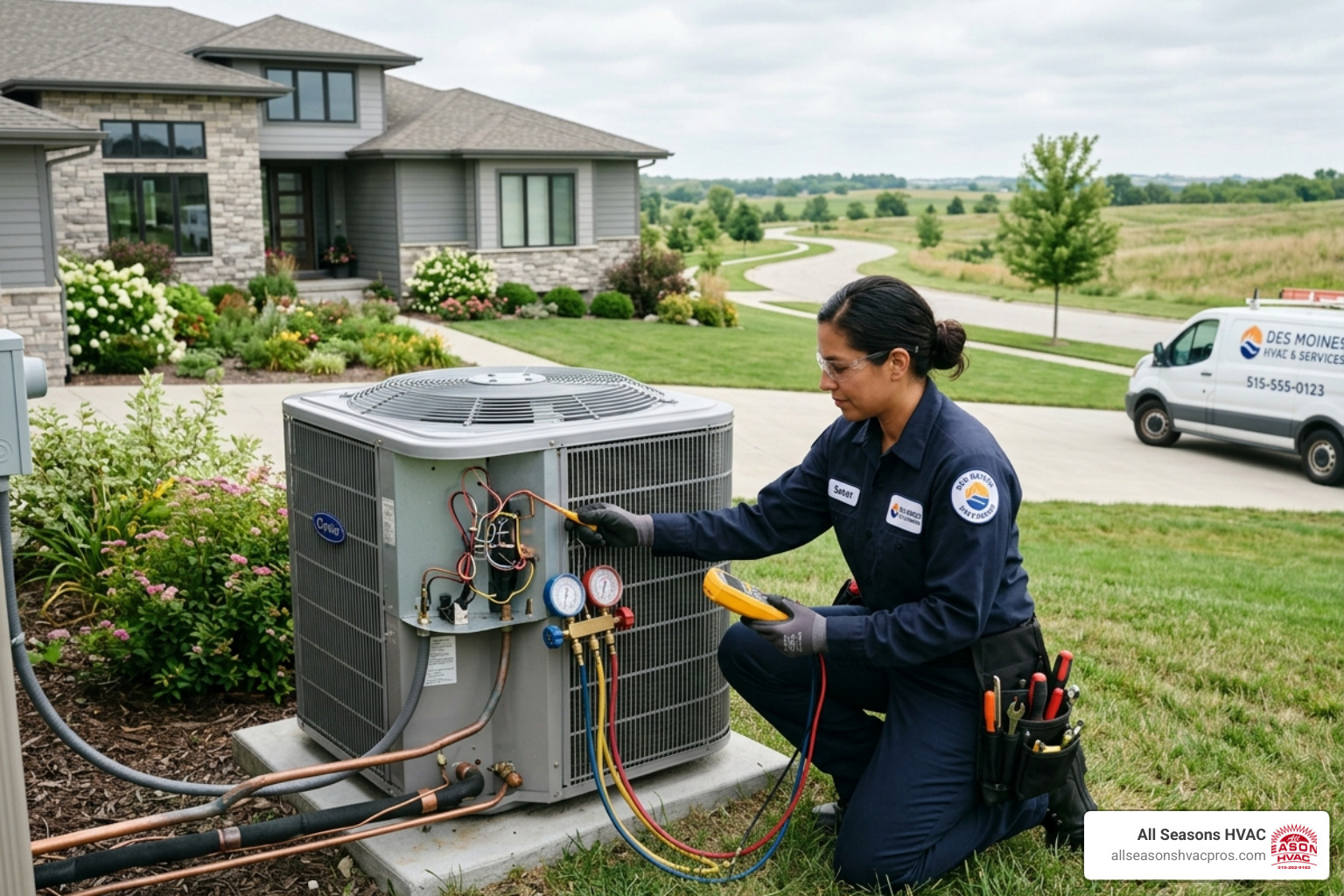
When we arrive for a water heater installation in Madrid, IA, we follow a strict protocol to ensure your home stays safe and up to code. Every city has its own nuances, and Madrid is no different.
Local Permits and Safety Codes
In Iowa, professional installations typically require a permit. This ensures that a third-party inspector verifies the work meets safety standards for venting, gas piping, and electrical connections. We handle the paperwork and tracking so you don’t have to navigate the local bureaucracy alone.
The Removal and Setup
We start by safely draining your old unit and disconnecting the gas or power. We don’t just leave the old tank on your curb; we haul it away for proper recycling. During the critical steps in water heater installation, we verify that the new unit is level, the vent pipes are properly sloped to prevent carbon monoxide leaks, and the “T&P” (Temperature and Pressure) relief valve is correctly piped to a safe discharge point.
For more details on what to expect during the day of the job, check out our guide to water heater installation in the Des Moines area.
Choosing the right size for water heater installation in Madrid, IA
Sizing isn’t just about how many gallons the tank holds; it’s about “First Hour Rating” (FHR). This is the amount of hot water the heater can supply in one busy hour. If you have a family of five all trying to get ready for school and work at 7:00 AM, you need a higher FHR.
If you choose a tankless system, we look at “gallons per minute” (GPM). We calculate how many faucets or showers you might use at once to ensure you never run out. If you’re currently experiencing lukewarm water, it might just be a broken dip tube or heating element, which is why we also offer professional water heater repair services to diagnose the issue before recommending a full replacement.
Addressing hard water and gas line needs during water heater installation in Madrid, IA
Madrid residents know that Central Iowa water can be “hard,” meaning it’s full of minerals like calcium and magnesium. Over time, these minerals settle at the bottom of a tank, acting like a layer of insulation between the burner and the water. This makes your heater work harder and die younger.
Furthermore, if you are switching from a tank to a tankless model, your existing gas line might not be large enough. Tankless units require a massive “burst” of gas to heat water instantly. We often have to coordinate with the utility company or upgrade internal piping to ensure the gas pressure is sufficient. Once the unit is in, maintaining your water heater for longevity becomes your best defense against our local water conditions.
Essential maintenance to protect your new investment
You wouldn’t buy a new car and never change the oil, right? Your water heater is the same. After a professional water heater installation in Madrid, IA, a little bit of annual love goes a long way.
- Annual Flushing: This is the big one. Draining a few gallons of water out of the bottom of the tank once a year helps flush out that Iowa sediment before it hardens.
- Check the Anode Rod: This is a “sacrificial” rod that hangs inside the tank. Its only job is to rust so your tank doesn’t. If the rod is completely eaten away, the tank is next. We recommend checking this every 3 years.
- Test the Pressure Relief Valve: Briefly lifting the lever on the valve ensures it isn’t stuck. This valve is what prevents your water heater from turning into a rocket if the thermostat fails.
For a full checklist, see our water heater maintenance tips. If you ever run into a situation where the water isn’t as hot as it used to be, you can try troubleshooting common water heater issues like checking the pilot light or the circuit breaker before calling for service.
Frequently Asked Questions
How long does a typical water heater installation take?
For a standard “like-for-like” tank replacement, we can usually have the job done in 2 to 4 hours. If we are converting you from a tank to a tankless system, it usually takes a full day (6 to 8 hours) because of the extra gas line work and venting requirements.
Are there energy-efficient rebates available for Iowa homeowners?
Yes! Many local utility companies in the Madrid and Des Moines area offer rebates for high-efficiency models, especially heat pump water heaters. Additionally, federal tax credits (like those under the Inflation Reduction Act) can often offset a significant portion of the cost for qualifying energy-efficient upgrades.
What are the benefits of a heat pump water heater in our climate?
Heat pump water heaters are incredibly efficient in the summer because they act like a tiny air conditioner for your utility room, dehumidifying and cooling the space while heating your water. In the winter, they may switch to standard electric resistance heating if the room gets too cold, but overall, they provide the lowest operating cost of any electric water heating option available today.
Conclusion
At All Seasons HVAC LLC, we believe that every Madrid resident deserves a home that is a sanctuary of comfort. We know that a major appliance replacement can be a surprise to the checkbook, which is why we offer budget-friendly financing plans to help you get the hot water you need without the financial stress.
From choosing between gas and electric to navigating the complexities of tankless gas pressure requirements, our team of professionals is here to guide you every step of the way. We’ve served the Greater Des Moines area for years, and we take pride in our reputation for reliability, quality workmanship, and friendly, local service.
Don’t wait for your old unit to flood your basement or leave you shivering in the shower. Schedule your water heater installation in Madrid IA today and experience the peace of mind that comes with professional expertise and year-round home comfort.