A frozen evaporator coil is one of the most common problems homeowners run into with their AC units during the hot summer months. When this part of the system isn’t working right, it can lead to weak airflow, insufficient cooling, or the system shutting down entirely. The evaporator coil plays a key role, drawing heat from the air inside your home and allowing your AC to deliver that crisp, cool air you expect. When the coil freezes over, it throws the entire system off balance.
In Indianola, heavy summer use puts extra demand on AC systems, and it is not unusual for cooling issues to pop up. If your system isn’t running the way it usually does, a frozen evaporator coil may be to blame. Catching the early warning signs and knowing what steps to take can help you stay ahead of bigger problems and keep your home at a comfortable temperature when you need it most.
Signs Of A Frozen Evaporator Coil
When your AC coil is frozen, the system will usually give you some early clues. While these symptoms are not always obvious, there are a few red flags you can watch for:
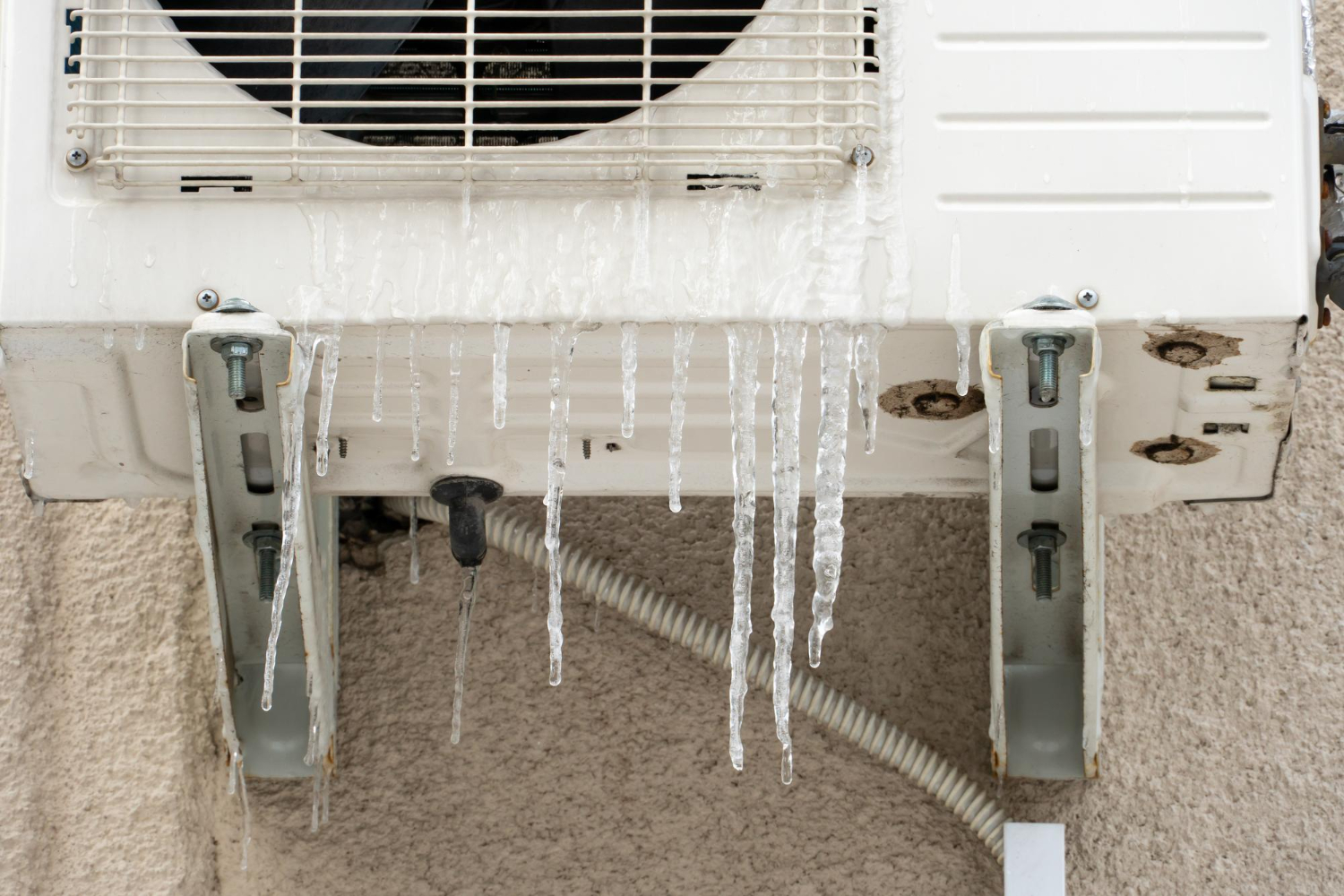
– Ice along the evaporator coils or visible on the unit
– Weak or uneven airflow from vents
– Warm air blowing even with the thermostat set to cool
– A noticeable increase in utility bills
– A hissing or bubbling noise near the indoor unit
– Short cycling or inconsistent operation
Even one of these signs could point to a larger problem building up inside the unit. For example, if your vents are pushing out warm air and the system runs constantly without ever cooling the room properly, there is a good chance the coil is frozen. Ignoring signs like these can create more damage, as the system has to work harder and remains under strain.
Do not assume the issue will go away on its own. A frozen coil will not fix itself, and continuing to run the unit in that condition usually makes it worse. Acting quickly when these symptoms appear can help avoid system failure and more expensive repairs down the line.
Common Causes Of Frozen AC Coils
Understanding what causes an evaporator coil to freeze is an important step toward preventing it. Several issues can lead to this problem, and most are related to poor airflow or refrigerant issues:
1. Dirty or clogged air filters
When air cannot flow freely through the system, it can lead to lower temperatures around the coil, which allows moisture to freeze. Filters should be checked and replaced frequently.
2. Low refrigerant levels
When refrigerant is too low, pressure inside the coil drops. The surface temperature becomes too cold and starts to freeze any moisture around it. This problem often signals a leak that needs to be handled by our professionals.
3. Poor airflow
Blocked vents, damaged ducts, or a malfunctioning blower fan can all restrict airflow through your system, allowing ice to form on the coil.
4. Thermostat issues
A thermostat that keeps the system running too often can lower air temperatures and encourage ice buildup. Incorrect settings or malfunctions often lead to this type of problem.
Each of these issues makes it more difficult for your system to move heat out of your home. Once airflow drops or the coil’s temperature becomes too low, frost starts to form on the coil and eventually hardens into a solid block of ice. By understanding the root causes, you can stay alert for early signs and take preventive measures.
Step-By-Step Guide To Fix A Frozen Evaporator Coil
When you suspect that your evaporator coil is frozen, the first thing you should do is turn off the system. Operating your AC in that condition can make the problem worse and increase the risk of damage. Allow the unit to defrost fully before making any attempts to restart it. Depending on the amount of ice buildup, thawing may take several hours.
Here’s what you can do before calling in our technicians:
1. Turn off the AC at both the thermostat and the breaker. Let the system sit until all ice has melted.
2. Take out the air filter. If it is dirty or clogged, replace it with a new, clean filter. Poor filtration is a leading cause of restricted airflow.
3. Inspect the area around the evaporator coil. Remove anything that could be blocking airflow or reducing ventilation.
4. Review the thermostat programming. Make sure settings are not too low and that the system has a chance to cycle off appropriately.
5. Power the AC back on and monitor operation. If air is still not cool or the system quickly shows signs of icing again, stop use and call our professionals.
At this point, if your AC is still underperforming or you notice ice forming again, it’s time to have specialists inspect the system. Issues like low refrigerant levels, bent ducts, or mechanical breakdowns are not safe or practical for most homeowners to resolve. These problems require the right tools and testing expertise to identify properly. Letting a licensed technician handle the issue ensures the repair is done safely and completely.
Preventive Measures And AC Maintenance In Indianola
In Indianola, dependable air conditioning is non-negotiable during long summer months. Consistent use puts a lot of pressure on your HVAC system, and good upkeep is the best way to stay ahead of performance issues. Routine AC maintenance helps stop frozen coils and keeps your system cooling as expected.
Here are a few reliable ways to reduce the risk of evaporator coil freezing during peak use:
– Always replace air filters every one to three months. Replace sooner if you have pets or run the system often.
– Keep vents and returns clear of furniture, dust, or anything else that restricts airflow.
– Look outside regularly to be sure your outdoor unit is clear of leaves, grass, or yard waste.
– Check for warning signs of refrigerant troubles, such as bubbling sounds, frost buildup, or a system that runs constantly without cooling effectively.
– Schedule seasonal checkups with our technicians. They can inspect the refrigerant charge, check system components, and offer repairs when needed.
Even minor maintenance actions like replacing a filter or adjusting your thermostat setting can help avoid bigger issues. These simple habits help your AC system keep up with summer demand and prevent system failure when it matters the most.
Keep Your AC Running Smoothly
Nobody wants to deal with a frozen AC unit when the summer heat is in full swing. A frozen evaporator coil can bring your entire system to a stop and lead to expensive repairs if not corrected quickly. Catching the early symptoms and responding with the right steps keeps your home cool and your system operating the way it should.
Take time to check your air filter, adjust your thermostat properly, and inspect for possible causes like blocked airflow. These routine checks are easy to do and can make a significant difference in avoiding sudden breakdowns. When needed, our professionals can address refrigerant issues and system damage, so your AC stays dependable all season.
By taking the time to keep up with AC maintenance in Indianola, you’re helping your system work better, last longer, and cool your home with fewer interruptions when outdoor temperatures rise.
If you want to keep your system running at its best, trust All Seasons HVAC LLC to help you stay ahead of major issues with reliable care and routine service. Learn more about AC maintenance in Indianola to keep your cooling system operating efficiently throughout the summer. For a quick estimate or to book a service visit, please contact us today.