Is It Time to Rethink Your Home’s Hot Water in Des Moines?
Water heater installation in Des Moines IA is one of the most important home comfort decisions you can make — especially with Central Iowa’s cold winters pushing your system harder than ever. Most tank water heaters last only 8 to 12 years, and efficiency drops noticeably well before that. If you’re dealing with lukewarm showers, rusty water, or a unit that’s been quietly aging in your basement, you’re not alone.
Here’s a quick look at what Des Moines homeowners need to know:
- Best time to replace: When your unit is 8-12 years old or showing warning signs
- Top options: Traditional tank (gas or electric) or tankless on-demand systems
- Installation time: 2-3 hours for a standard tank swap; 4-6 hours for tankless conversions
- Permits: Most Des Moines installations require a local permit and inspection
- Key local factor: Des Moines hard water accelerates sediment buildup and reduces efficiency faster than in softer-water regions
- Energy savings: Upgrading to a high-efficiency model can cut water heating costs by up to 20%; tankless systems can save 30-50% compared to older tank models
Finding the right installer matters just as much as finding the right unit. A properly sized, professionally installed water heater keeps your home comfortable, your energy bills reasonable, and your family out of cold showers — even in the middle of a Des Moines winter.
I’m noticing cold showers. Is it time for water heater installation in des moines ia?
We’ve all been there. You step into the shower expecting a relaxing, warm start to your morning, only to be greeted by a blast of icy water that rivals a January breeze off the Des Moines River. While a one-off fluke might just be someone running the dishwasher at the same time, consistent “cold shocks” are a major red flag.
When we talk about water heater installation in des moines ia, we often focus on the “when” and the “why.” Understanding the New water heater installation signs can save you from a flooded basement and an emergency service call.
The Telltale Signs of Trouble
- System Age: If your water heater was installed when the Iowa State Fair was still using paper tickets for everything, it’s likely time for an upgrade. Most traditional tanks have a life expectancy of 10-12 years. Beyond that, they become ticking time bombs for leaks and are often 20-40% less efficient than modern models.
- Rusty or Discolored Water: If the water coming out of your hot tap looks like tea, it’s a sign that the sacrificial anode rod has failed and the tank itself is corroding from the inside out.
- Strange Rumbling Noises: Do you hear popping, banging, or rumbling? That’s usually the sound of sediment (minerals from our local hard water) boiling at the bottom of the tank. This makes the heater work harder and eventually causes the metal to fatigue and crack.
- Inconsistent Temperatures: If you’re constantly adjusting the knob because the water goes from scalding to freezing, your heating elements or thermostat are likely failing.
- Frequent Repairs: If you’ve had us out three times in the last year for minor fixes, those small bills are going to add up to the cost of a new unit quickly.
Knowing the Top reasons water heaters fail helps you decide between a quick fix and a full replacement. Why water heater installation matters comes down to safety and reliability; an old unit is a liability that could lead to significant water damage if it bursts.
Choosing the Best System for Your Central Iowa Household
When you decide it’s time for a new unit, you aren’t just buying a big metal cylinder; you’re choosing the technology that will power your home for the next decade or two. In Des Moines, we have to consider our specific water quality and climate.
Tank vs. Tankless
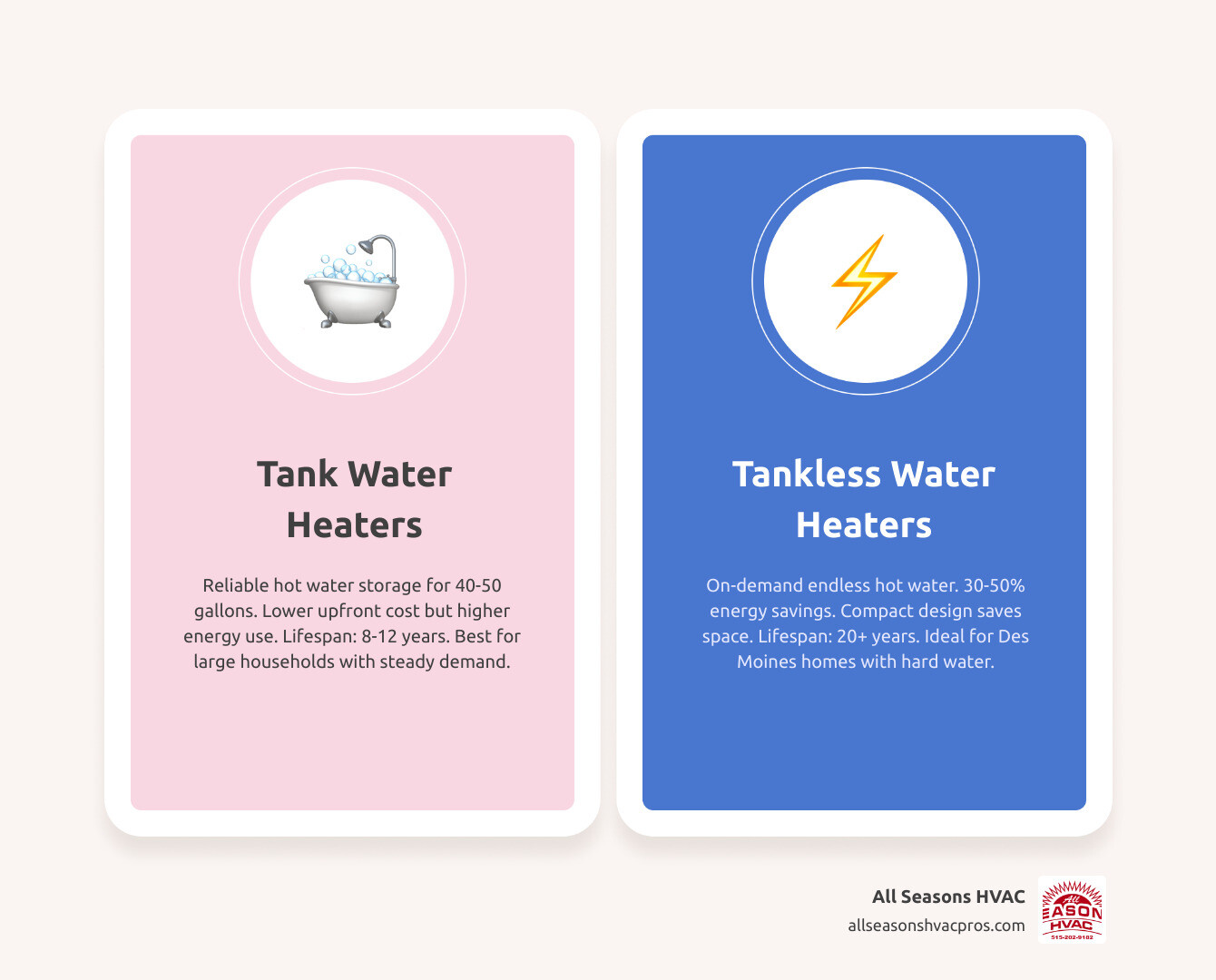
This is the big debate. Traditional tank heaters are the “tried and true” option. They store 40 to 50 gallons of hot water, ready for use. They are generally more affordable upfront and simpler to install.
Tankless models, on the other hand, are “on-demand.” They heat water as it flows through the unit. While they represent a higher initial investment, they can provide 30-50% energy savings because they aren’t keeping a giant tank hot 24/7. Plus, they last 15-20 years — nearly double the life of a tank!
Gas vs. Electric
- Gas Models: These are popular in the Des Moines metro because they have a high recovery rate (they heat water faster). However, they require proper venting to the outdoors to prevent carbon monoxide buildup.
- Electric Models: These are often simpler to install and are a great choice for rural areas around Grimes or Mitchellville where natural gas lines might not be available. Modern electric units feature much better insulation than older versions, helping them hold heat longer.
The Des Moines Water Factor
Our local water is known for being “hard,” meaning it’s full of minerals like calcium and magnesium. This is a critical consideration for water heater installation in des moines ia. Hard water causes scale to build up on heating elements and at the bottom of tanks. If you choose a tankless system, you’ll need to be diligent about annual descaling to keep it running efficiently. For tank systems, this mineral buildup is why you hear those “rocky” noises mentioned earlier.
For more details, check out our guide on the Different types of water heaters to see which fits your lifestyle.
| Feature | Traditional Tank | Tankless (On-Demand) |
|---|---|---|
| Upfront Cost | Lower | Higher |
| Lifespan | 10-12 Years | 15-20+ Years |
| Energy Efficiency | Standard | High (30-50% savings) |
| Hot Water Supply | Limited to tank size | Endless |
| Space Required | 16-22 sq. ft. | < 4 sq. ft. (Wall mount) |
Comparing Tank and Tankless water heater installation in des moines ia
If you have a large family in West Des Moines with kids who all need to shower before school, a tankless unit is a game-changer. No more “first come, first served” for the hot water! However, if you are a household of one or two, a high-efficiency tank might be the most cost-effective path. Our Water Heater Installation Des Moines IA Guide goes deeper into these comparisons to help you make the right call.
Sizing Your System for water heater installation in des moines ia
Size matters. A unit that is too small will leave you shivering, while one that is too large wastes energy.
- For Tanks: We look at the “First Hour Rating” (FHR). This is how much hot water the heater can deliver in one hour when starting with a full tank.
- For Tankless: We look at “Gallons Per Minute” (GPM). Because Iowa’s groundwater is very cold in the winter, we have to size tankless units 20-40% larger than they would be in a southern state like Florida. It takes more energy to turn 40-degree water into 120-degree water!
Whether it’s a small bungalow or a Commercial water heater des moines ia for a local business, getting the math right is the first step to satisfaction.
What to Expect During the Professional Setup Process
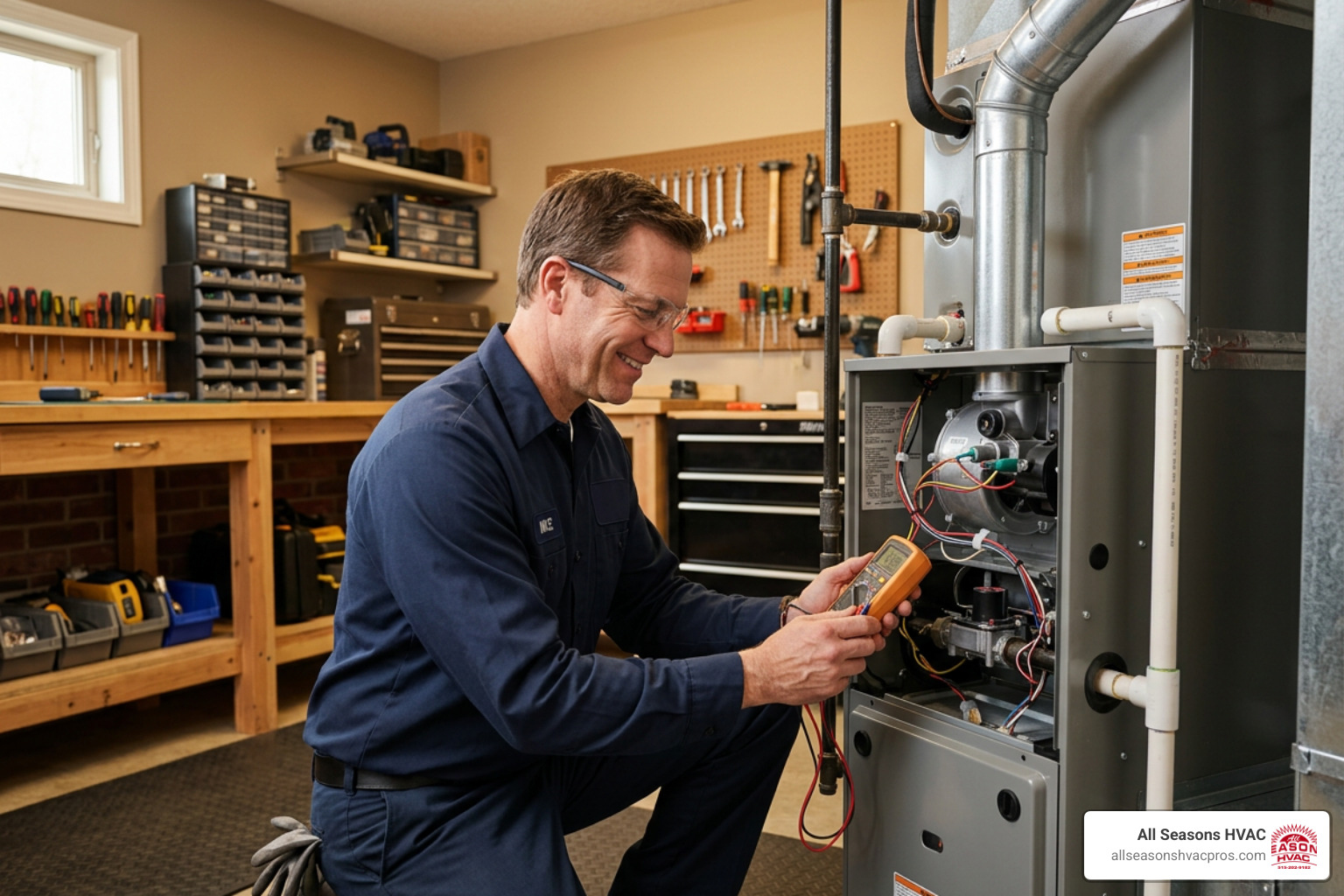
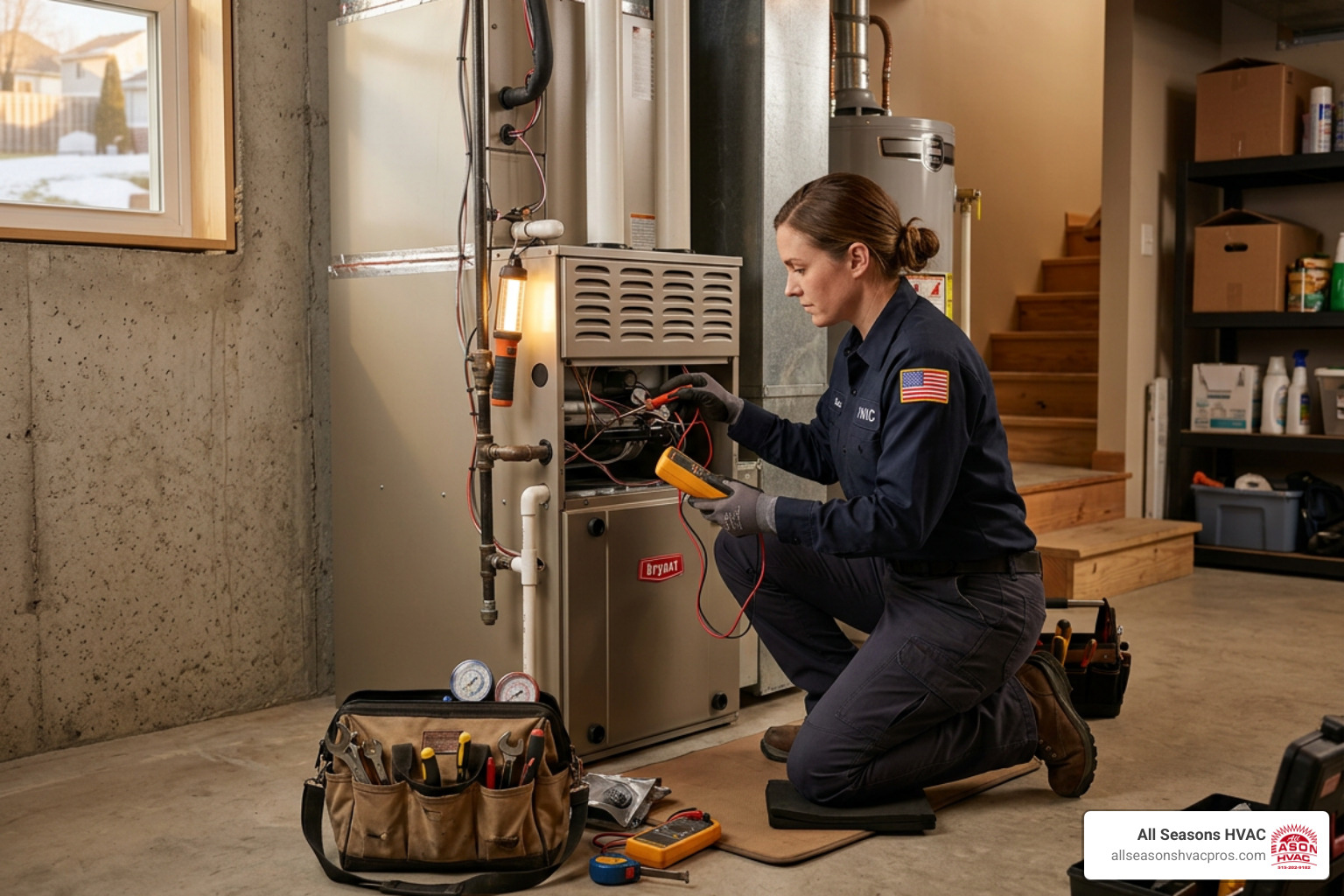
We believe in a “no surprises” approach to installation. When our technicians arrive at your home in Ankeny or Waukee, they follow a strict protocol to ensure your home is protected and your new system is flawless.
The Installation Journey
- Site Assessment: We don’t just swap boxes. We check your venting, gas lines, and water pressure to ensure the new unit will operate safely.
- Property Protection: We use floor protectors and shoe covers. We’re guests in your home, and we act like it.
- Old Unit Removal: We drain and haul away your old, heavy, rusty unit so you don’t have to deal with the mess.
- Professional Positioning: We ensure the unit is level and has the proper clearances required by Iowa building codes.
- Connection & Verification: We use high-quality fittings and double-check every gas and water connection for leaks.
- The Walkthrough: Once the water is hot, we show you how to operate the thermostat and explain the maintenance needs.
For a deep dive into the technical side, read about the Water heater installation critical steps we take on every job.
Safety Standards and Permits for water heater installation in des moines ia
In the City of Des Moines and surrounding Polk County, a water heater installation isn’t just a “DIY Saturday project.” It requires a permit. Why? Because a poorly installed gas water heater can leak carbon monoxide, and a poorly installed tank can actually explode if the pressure relief valve isn’t right.
We handle the permitting process for you. We ensure your venting meets the latest safety standards and that your Temperature and Pressure (T&P) relief valve is properly piped. If you’ve had a bad experience with a “handyman” install, we also provide Professional water heater repair to bring systems up to code.
Protecting Your Investment: Maintenance and Efficiency Tips
Once your new water heater installation in des moines ia is complete, you’ll want it to last as long as possible. Because of our hard water, maintenance isn’t optional—it’s essential.
- Annual Flushing: We recommend flushing your tank once a year to remove sediment buildup. This keeps the heat transfer efficient and prevents that “rumbling” sound.
- Check the Anode Rod: This “sacrificial” rod attracts corrosive elements so they eat the rod instead of your tank. Checking it every 2-3 years can double your heater’s life.
- Temperature Settings: Set your water heater to 120°F. This is the “sweet spot” that prevents scalding, provides plenty of heat for dishes, and saves you significantly on your energy bills.
- Thermal Expansion Tanks: If you have a “closed” plumbing system (common in newer Des Moines homes), an expansion tank is vital to prevent pressure spikes that can damage your heater and pipes.
Check out our Water heater maintenance tips and our guide on Maintaining your water heater for more pro advice. If things seem off, you can also learn how to Troubleshoot water heater issues before calling for service.
Frequently Asked Questions
How long does a standard water heater installation take?
For a “like-for-like” swap (replacing an old tank with a similar new tank), we can usually have you back in hot water in 2 to 3 hours. If you are converting from a tank to a tankless system, expect the process to take 4 to 6 hours, as we often need to upgrade gas lines or venting to accommodate the high-powered burner. If you’re in a pinch, we offer Water heater repair des moines ia and often have same-day installation availability.
Why is my water heater making strange noises?
In Des Moines, this is almost always due to mineral scale. As the water heats, bubbles of steam get trapped under the layer of sediment at the bottom of the tank. When they escape, they make a popping or “knocking” sound. It’s a sign that your efficiency is dropping and your tank is under stress. If your Water heater makes strange noises, it’s time for a flush or a replacement assessment.
Which communities in Central Iowa do you serve?
We are proud to be a local fixture in the Greater Des Moines area. We provide expert service to:
- Ankeny: Ankeny ia water heater installation
- West Des Moines: West des moines ia water heater installation
- Waukee, Johnston, Grimes, and Norwalk.
- Indianola, Altoona, Carlisle, and Adel.
- Van Meter, Madrid, and surrounding areas.
Conclusion
At All Seasons HVAC LLC, we know that a water heater is more than just an appliance — it’s the backbone of your home’s comfort. From the morning shower to the evening dishes, you rely on that hot water every single day. We are committed to providing the Greater Des Moines area with reliable, high-quality water heater installation in des moines ia that stands the test of time (and our tough Iowa winters).
We understand that a new system is an investment, which is why we offer budget-friendly financing plans to ensure every family can afford a safe, efficient home. Don’t wait for your old unit to flood your basement or leave you with a cold surprise.
Ready for a “perfect match” for your home’s hot water needs? Contact us today for a consultation and experience the peace of mind that comes with professional Des Moines IA Water Heater Installation. We’ll keep the water hot so you can stay comfortable all year long!